 In the current issue of the TLS Nicholson Baker reviews what was being published a hundred years ago. In this Jot we look at what was happening in the world of home appliances and gracious living, according to the May 1920 issue of The Ideal Home.
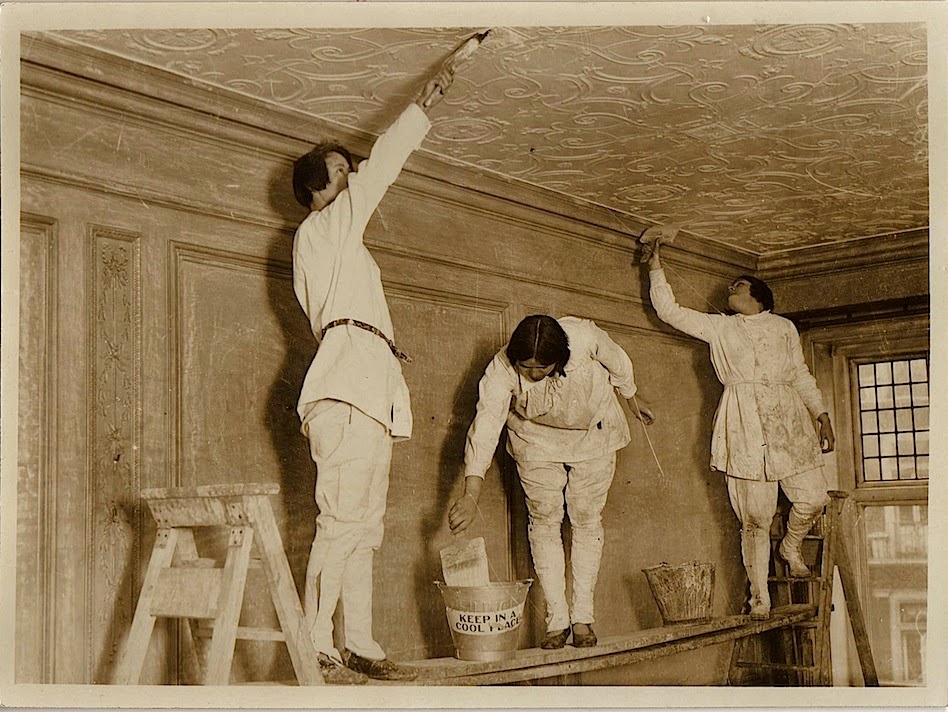
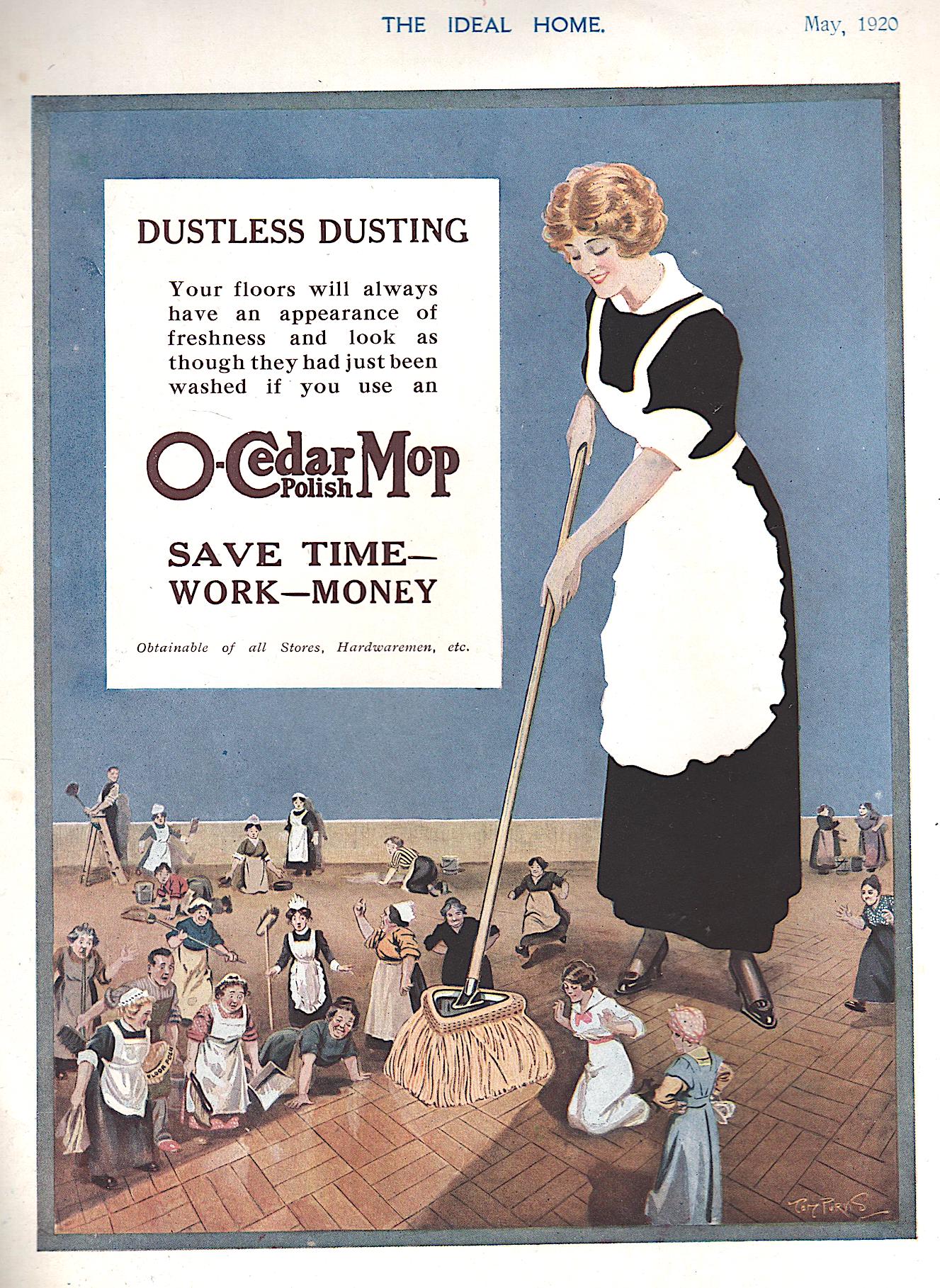
As always, it’s the adverts that entertain the most. The first that greets the reader is a full page colour ad for the O-Cedar Polish Mop which shows twenty or more tiny maidservants admiring the wonderful effects produced by a giant charlady manoeuvring this mop around a giant room. It makes one wonder how many middle-class supporters of the Women’s Suffrage movement employed female cleaners in their large, comfortable houses. Quite a few, one would have thought.
In contrast, on the following page we have an advert meant, we presume, for male readers, who are urged to save on average £30 by buying a machine designed to make concrete roofing tiles ‘ on the site’.
Mains electricity for lighting and power was patchy in this immediate post-war period and relied on local council-run generating stations. An Act of 1919 gave the go-ahead for a more nationwide supply system, but this wasn’t established until the National Grid came into being in 1935( remember that poem ‘ Pylons’ by Spender ?). For those who afford it in 1920, a petrol driven domestic generator was one source of electricity. Home owners would hide away their generator, in this case a ‘ Delco-Light ‘ available from F. S. Bennett of Oxford Street, in a shed or outhouse to minimize the noise and fumes produced by it. Continue reading
 Researchers in newspaper and magazine archives often complain about the horrendous quality of newsprint they encounter. Sometimes whole pages are brown and need to be handled with extraordinary care as they are turned, lest they crumble to dust— to the embarrassment of the researcher. The decline of paper quality seems to have begun towards the end of the nineteenth century and is attributed to the high acid content of the wood pulp used for printing cheap publications—mainly newspapers and periodicals, particularly adventure and school stories for boys, but also mass produced books issued in serial form. The decay of newsprint appears to accelerate with exposure to sunlight, which explains why single issues of newspapers and magazines are much more likely to turn brown and crumble than bound volumes.
 others.
 Some of the other things?

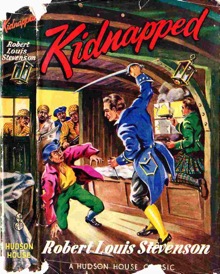
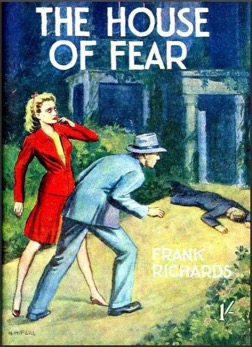
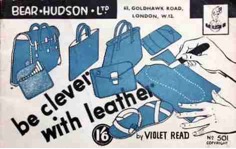

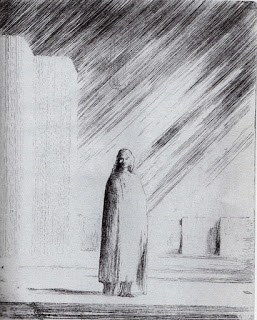
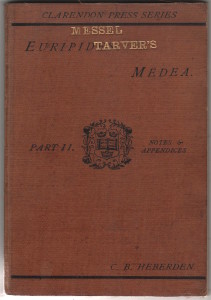 Found in a box of old text books (Zinn collection) is this copy of part two of C. B. Heberden’s edition of Euripedes’ Medea ( notes and appendices) published by the Clarendon Press in 1886.Stamped in gold lettering on the light brown cover of this distinctly dull-looking school text book are the words MESSEL/TARVERS. Inscribed in pencil on the fly-leaf we find ‘ L.Messel/Tarvers ‘, which suggests that it belonged at one time to Leonard Charles Rudolph Messel ( 1872 – 1953), father of the famous stage designer Oliver Messel. Beneath the inscription are two pencil and ink drawings—one of a veiled lady in Victorian dress, the other a small profile of a man’s head.