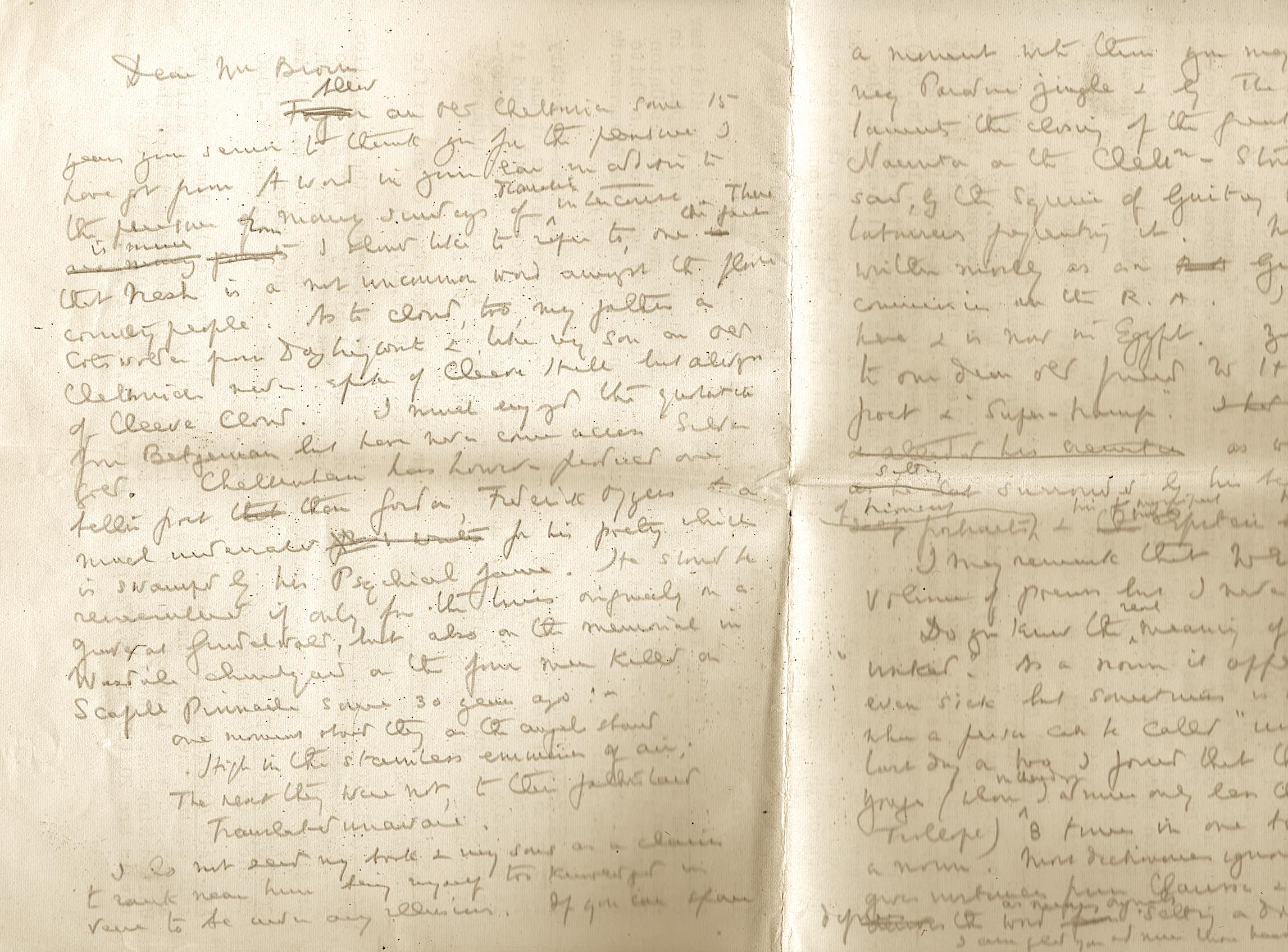
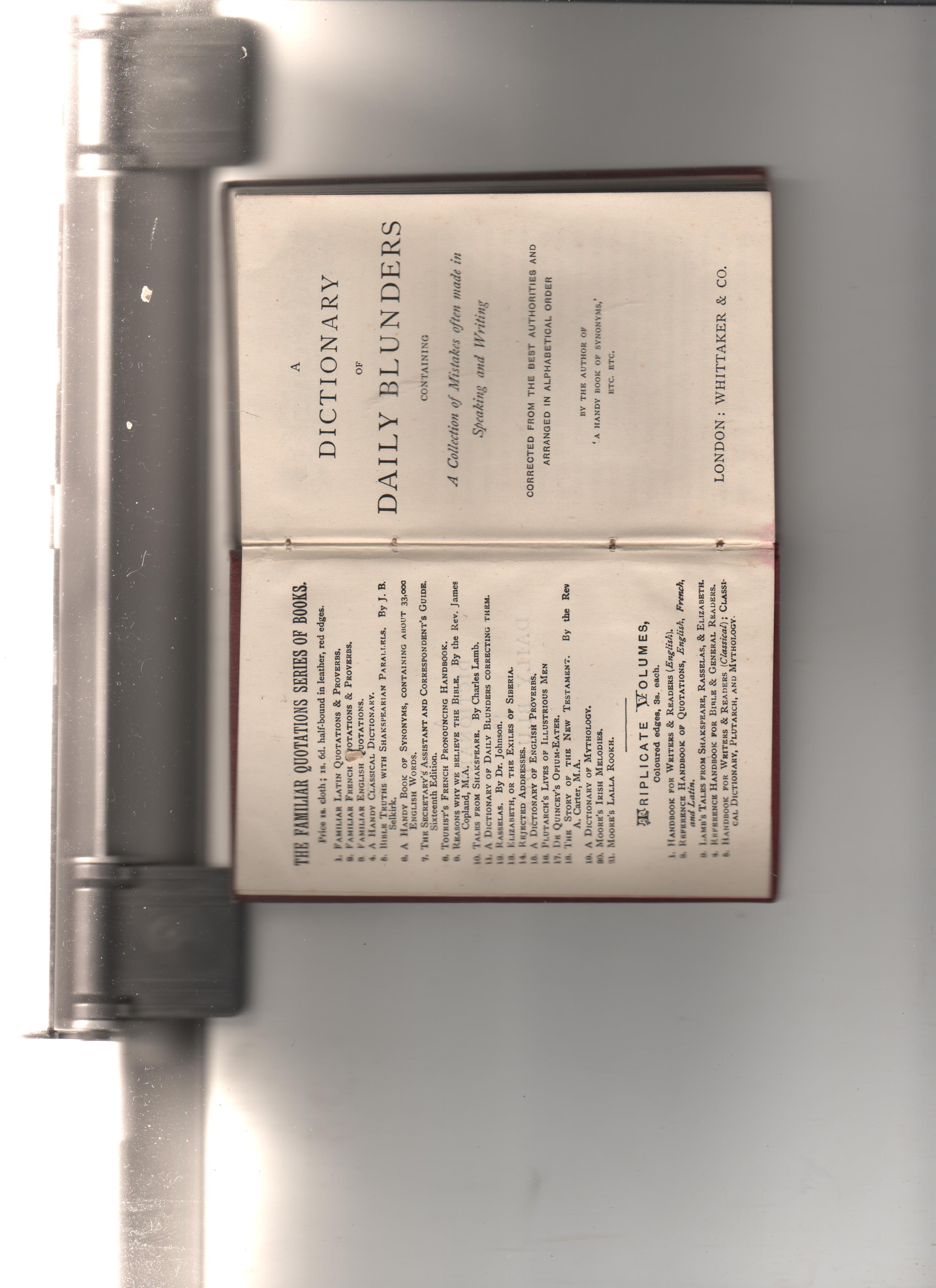
 Found in a pile of papers around a year ago at Jot HQ is this draft of a barely decipherable ( hence the gaps and possible misreadings of words ) and incomplete letter written in pencil on the back of a typed Roneoed page headed ‘ The Association of British Chambers of Commerce/5thOctober, 1942/Parliamentary Bulletin No 462A/Information by question and answer. The draft letter is addressed to ( Ivor ) Brown, author of A Word in your Ear( 1942), a book that explores the history of certain words. The writer cannot be identified from any clues in the letter , though what clues there are might open up paths for Jot fans who are familiar with Cheltenham and the Cotswolds. Any with information are welcome to write in.
Dear Mr Brown,
Allow one old Cheltonian some 15 years your senior to thank you for the pleasure I have got from A Word in your Ear in addition to the pleasure from many similar examples of lexical intercourse. There is much I should like to refer to, one; the fact that Nesh is a not uncommon word amongst the poor country people. As to clout too, my father, a Cotswolder from Daglingworth & like my son, an old Cheltonian , never spoke of Cleeve Hill, but always of Cleeve Court. I much enjoyed the quotation from Betjeman, but have never come across Silver ( ? ). Cheltenham has however produced one fellow poet ( ).Frederick Myers is much underrated for his poetry which is swamped by his Psychical fame. It should be remembered, if only for the lines originally on a grave at Grindelwald , but also on the memorial in Wasdale churchyard on the four men killed on Scafell Pinnacle some 30 years ago:-
On moment stood they as the angels stand
High in the stainless imminence of air;
The next they were not, to their fatherland
Translated unaware.
I do not see my book & my son’s as a classic to rank near him, being myself too ( ? ) in verse to be under any illusion. If you can spare a moment with them you may amused by my ( ? ) jingle & by The Dear Inn, which laments the closing of the great coaching inn above Naunton on the Cheltn. – Stow road, done, so it was said, by the squire of Guiting, who disliked his farm labourers frequenting it. My son’s little book was written originally as a Gunner before he got his commission in the R.A. He was my partner here & is now in Egypt. You may like my poem to our dear old friend W. H. Davies, the Welsh poet & ‘Super-tramp’. (I had to do most of his affairs & attended his cremation) as we saw him so often sitting surrounded by his beloved pictures– mainly portraits of himself & his magnificent Epstein hair.
Continue reading

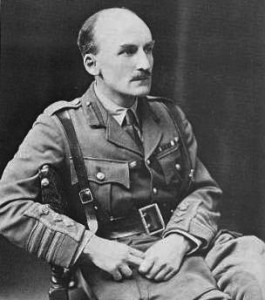 international expert on the use of tanks in warfare who was a strong influence on the German tactician Guderian, but also a Nazi sympathizer who met Hitler, and the only top-ranking officer in the British Army who in 1939 was not invited to join the fight against the Fuhrer. Nicknamed ‘ Boney ‘ by his peers presumably for his combative mien and brilliance as a strategist, and indeed height ( he was only 5’ 4”) Fuller was disliked by many for his high-handedness and argumentative nature. But some of this unpopularity may also have had its origin in his devotion to the occult, on which he wrote articles and books, including a study of Aleister Crowley. Indeed we at Jot 101 first came across his name in the April 1926 issue of The Occult Review, where he contributed a long article entitled ‘ The Black Arts ‘.
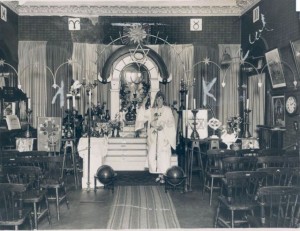 there had been converted to a place of worship. But not any place of worship. Around 19


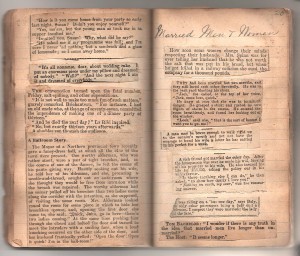 In an earlier Jot we selected at random some pretty witty items from an Edwardian comic’s gag book composed of clippings from newspapers and magazines. Here are some more. Astonishingly, most sound so very modern in their style of humour. None of them contain puns.
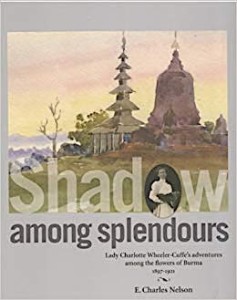 During her twenty-four years in Burma with her husband, an engineer in government service, Lady Charlotte Wheeler-Cuffe (nee Williams) became an intrepid plant-hunter, whose discoveries included various species of rhododendron. On her husband’s retirement in 1922 the couple retired to his ancestral seat at Lyrath, near Kilkenny, and it was here that Lady Charlotte planted some of the exotic plants she had gathered over the years. While in Burma Lady Charlotte had corresponded with friends, including another keen plantswoman, Baroness Prochaya, who also lived at Lyrath and professional botanists, one of whom was Frederick Moore, head of the Botanic Gardens at Glasneven, near Dublin, and on her return to Ireland it would seem that the correspondence continued.