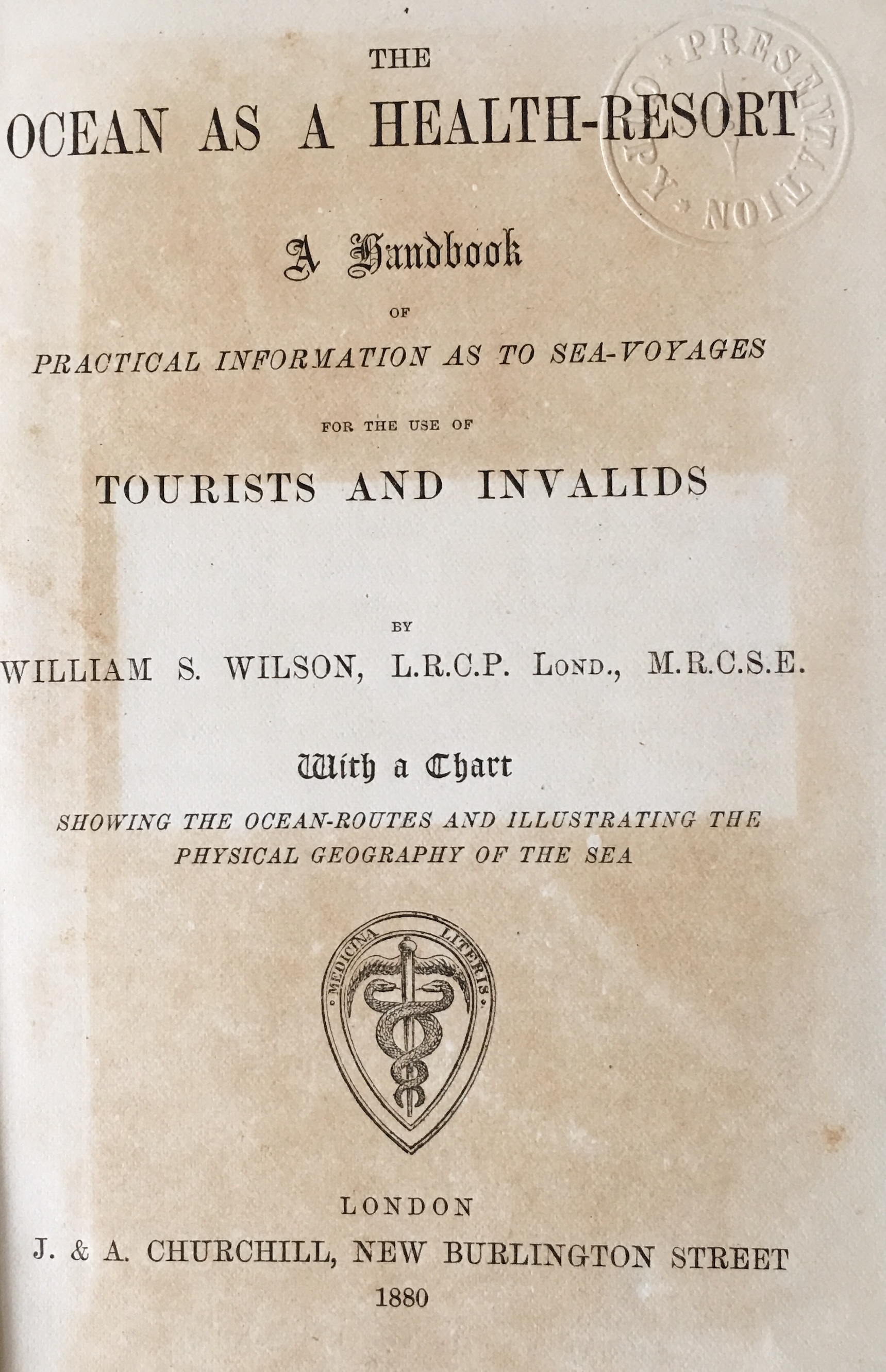
 Found in The Ocean as a Health-Resort (A Handbook for Tourist and Invalids) by William S Wilson (London 1880) this guide to shipboard games. The author start by saying that study on board a ship is nigh impossible and recommends light reading. Is Cricket still played on cruise liners? Certainly there will no longer be shooting or climbing the rigging…
Those who expect to be able to study in the sense of reading hard will almost always be disappointed. There is something in a sea life that seems to be antagonistic to work of this kind, and it is generally seen that those who started with high resolves in this respect very soon subside into light literature or idleness. There are of course exceptions, but they are rare. The prevailing inability to study is, however, scarcely to be regretted in the case of invalids, who cannot do better than provide themselves with a supply of light literature, and direct all their energies towards deriving the greatest possible benefit from their voyage.
There are several open-air games which can be played on board ship, and which furnish a capital means of obtaining that exercise, the want of which is one of the drawbacks of being shut up within such narrow limits. Continue reading
 by the Levytype Co., in 1899. Berliner was the inventor of the gramophone and the gramophone record and exceedingly wealthy. This book presents his philosophy and may have been a vanity project, this copy is marked complimentary and limited to 500. He appears to have been something of an agnostic and his views, especially his faith in science,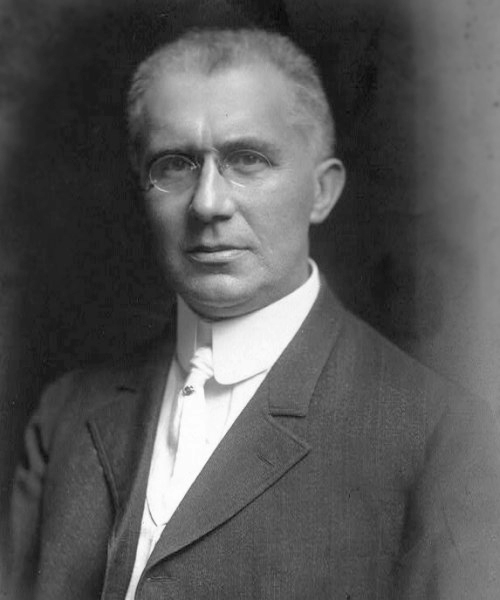



 Found, The Dinner Knell, the book published just months before his death aged 52 by prolific journalist and fin de siecle expert T(homas ) Earle Welby, (1881 – 1933). The premature demise of Welby, who was known to his New Statesman readers as ‘Stet’, may have had something to do with a love of food that informs much of his writing, including this particularly lively excursion into the world of gastronomy.



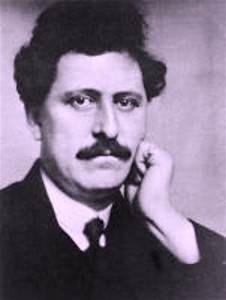 Found in a copy of the literary periodical Today for August 1919 is this advice for aspiring authors from its editor, Holbrook Jackson (pictured):