Remember the moral furore when Fay Weldom included references to Bulgari watches in her novel The Bulgari Connection ? She admitted being paid wheelbarrows of money for this blatant puff. But product placement in fiction is not new. Warreniana , the bestseller published in 1824 by the novelist, parodist and short story writer William Frederick Deacon (1799 – 1845), purports to be a collection of prose and verse by contemporary writers in praise of Warren’s Blacking– the boot polish bottled by the young Charles Dickens in the early 1820s. It is not known whether Deacon received a bung, but as the first edition appears to have been quite large, it is possible that the publishers were financially rewarded by Warren for printing an unusually large number of copies.
Deacon was primarily a comic writer. Few, if any, serious nineteenth century writers would ever consider augmenting their incomes from writing by referencing a commercial product. One that did, however, was American journalist, novelist and short story writer Charles Stokes Wayne, who under the pseudonym Henry Hazeltine decided to see what would happen if he mentioned the restorative effects of Sanatogen in his Confession of a Neurasthenic (1908). Continue reading
 Another in the series “I once met” and the sub category “I once danced with..” used when the meeting was only with someone who knew the person (almost always famous.) This is a reference to the popular song “I danced with a man who danced with a girl who danced with the Prince of Wales.” An earlier Jot concerned a meeting with a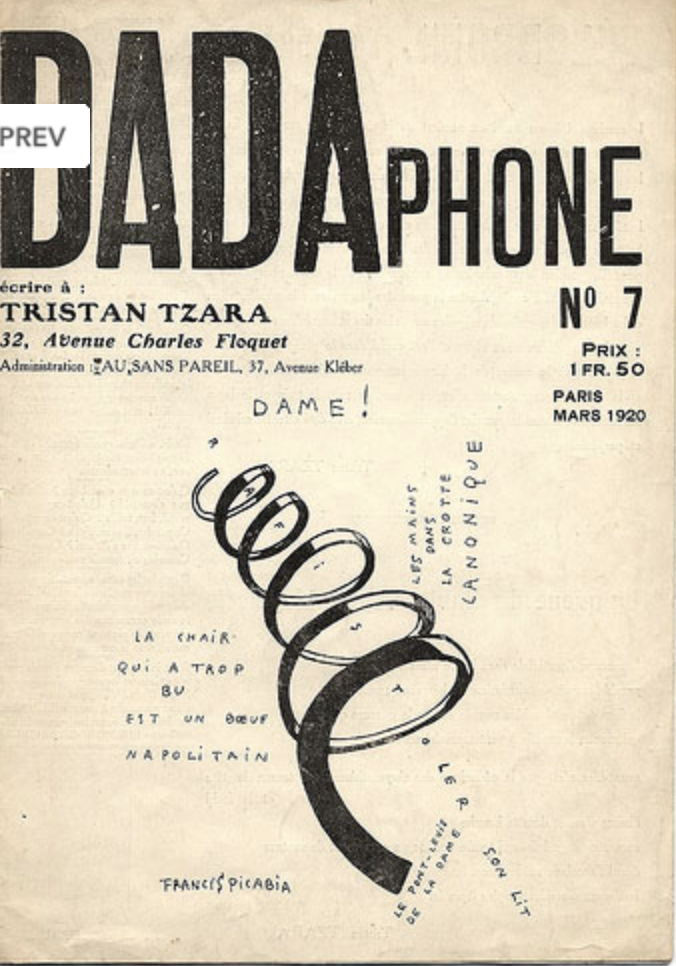

 In his Good Food Guide of 1961-62 Raymond Postgate describes the trendy Parkes’ Restaurant at Beauchamp Place (above) in Kensington as ‘ a personal restaurant, dependent upon Mr Ray Parkes, the chef and owner, who offers in his basement at high prices what is claimed to be , and up to date is, haute cuisine.’
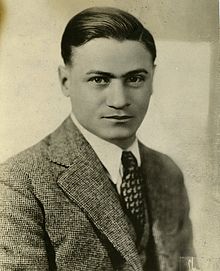 Few American publishers can boast that they have printed 300 hundred million books. Emanuel Haldeman-Julius (1889 – 1951), however, was one who could. An atheist and socialist who believed that the average American had a right to own a library of enlightening, useful and entertaining texts for a few cents a volume, Haldeman-Julius established the Little Blue Book series in the 1920s. Pocket-sized and ranging in subject matter from ancient culture and classic literature to self-help books and handbooks on making your own candy, the Little Blue Books sold in their millions each year, figured in the early education of such American writers as Saul Bellow and Studs Terkel, and anticipated in some respects the very popular ‘Dummies’ of today, though they were very much cheaper.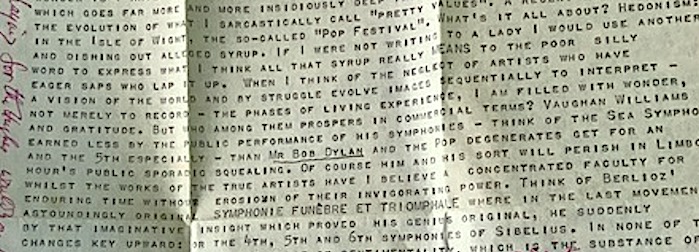

 Discovered in an 1928 issue of John O’ London’s is an anecdote illustrating the importance of punctuation in a legal document.
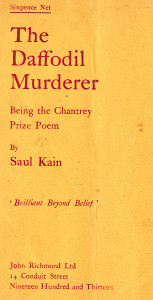 Found – a rather battered copy of Siegfried Sassoon’s early book The Daffodil Murderer (1913) published under the pseudonym ‘Saul Kain.’ In decent condition it has auction records like this from Bloomsbury Book Auctions in April 2009: