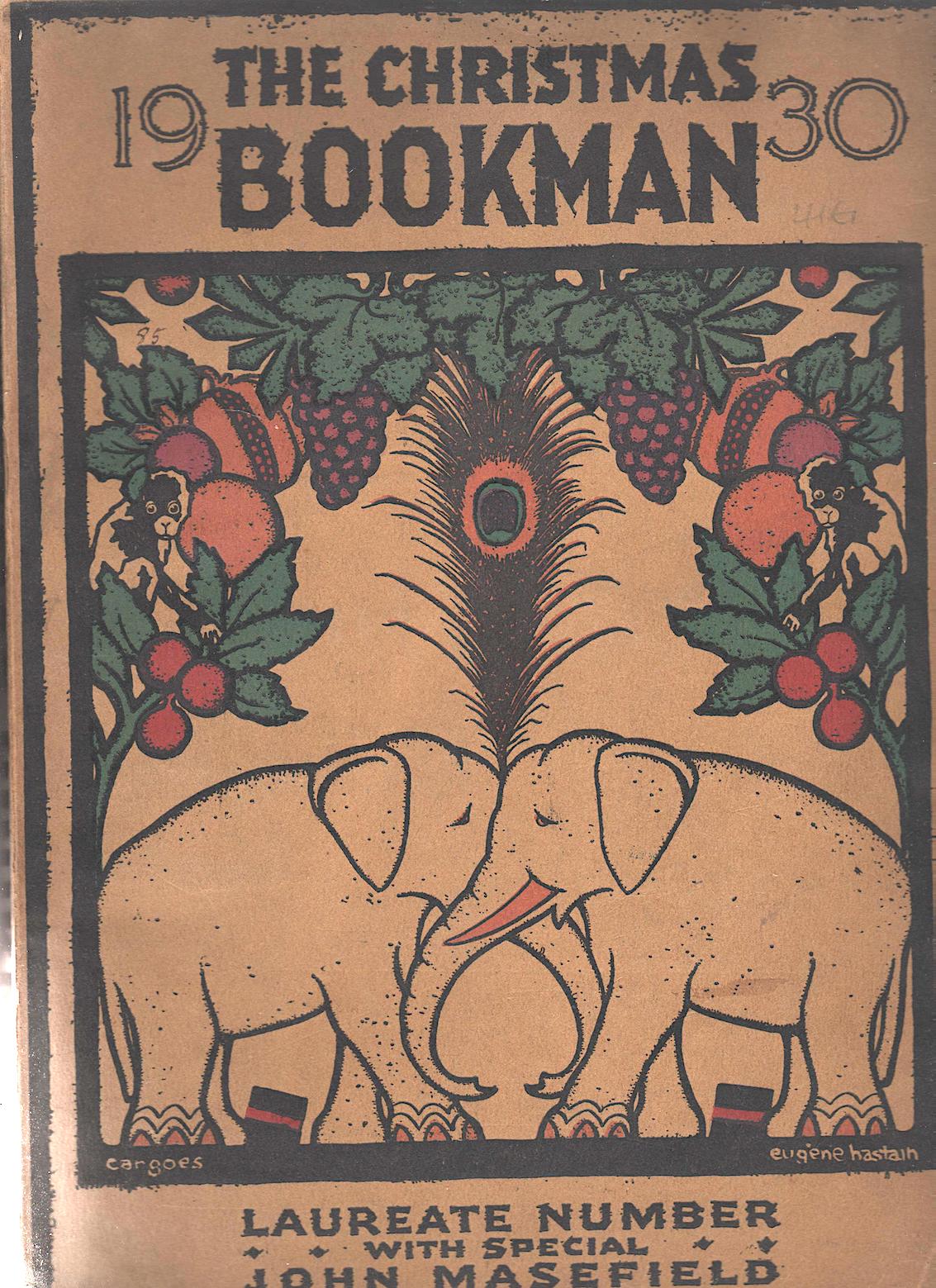
One thing that could be said of the special Christmas 1930 edition of the literary review The Bookman is that it was sumptuous, and due to its inclusion of art paper, very physically if not intellectually, heavy. Always unashamedly middlebrow in character, a fact borne out by the lack a proper appreciation of D. H. Lawrence, who had died a few months earlier.In fact, the only critique of him focused almost solely on his character, where he is dismissed as a ‘puritan’, rather than the originality of his writings. While other more serious literary journals had given Lawrence the respect he deserved, and the Times had trashed him, the Bookman, devoted more room to reviews of adventure stories for children , modern novels of manners, travelogues and popular histories than it did for serious fiction and poetry. In many ways it was the sort of magazine read by those who took the Yorkshire Post, the Morning Post and the Daily Telegraph. It comes as no surprise that the last two newspapers took full page adverts puffing their book pages. It is indicative of the conservatism of the Yorkshire Post that Geoffrey Grigson, then a junior staffer there, had to exert great pressure on its London Editor to insert a brief notice on Lawrence, a writer of whom, Grigson remarks, his boss had probably never heard.
By December 1930, the recently married Grigson, then aged 25, was keen to supplement his exigent pay as a junior, and so in the year in which John Masefield had been appointed the successor to Robert Bridges as Poet Laureate, he chose The Bookman for an assessment of past Poet Laureates ( his Editor doesn’t seem to have minded this moonlighting). Perhaps another indication that he was keen to make his debut as a serious writer, rather than a hack, was the fact that around this time he placed an advert in the TLS asking if anyone who had material relating to the eighteenth century satirist ‘ Peter Pindar’ ( aka John Wolcot, to get in touch with him, as he was writing a biography. He had managed to obtain a Reader’s Card for the British Museum, perhaps to gain access to books by Wolcot. Continue reading
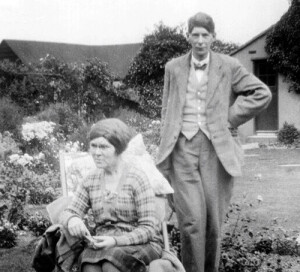 It is in The Last of Spring, one of Rupert Croft-Cooke’s many autobiographical volumes that one finds an account of the author’s experience of renting one of the Cornish bungalows built for writers by the eccentric spiritual medium and author, Mrs A.C. Dawson Scott, in the early 1930s.

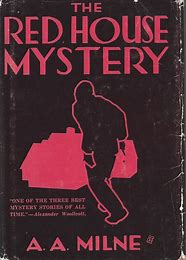

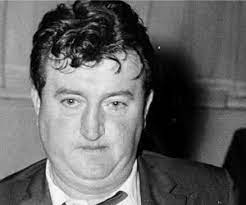
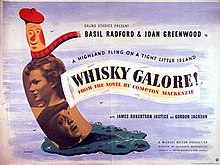 Compton Mackenzie is not a writer who raises much interest among readers nowadays. Few literary people today could name more than two of his many novels, the most famous of which, Whiskey Galore, was made into a hit film. However, back in the early fifties, readers of his article, Tricks of the Trade ‘, which appeared in the January 1953 issue of The Writer, would have lapped up this very frank account of his daily writing routine, which retains its interest today.

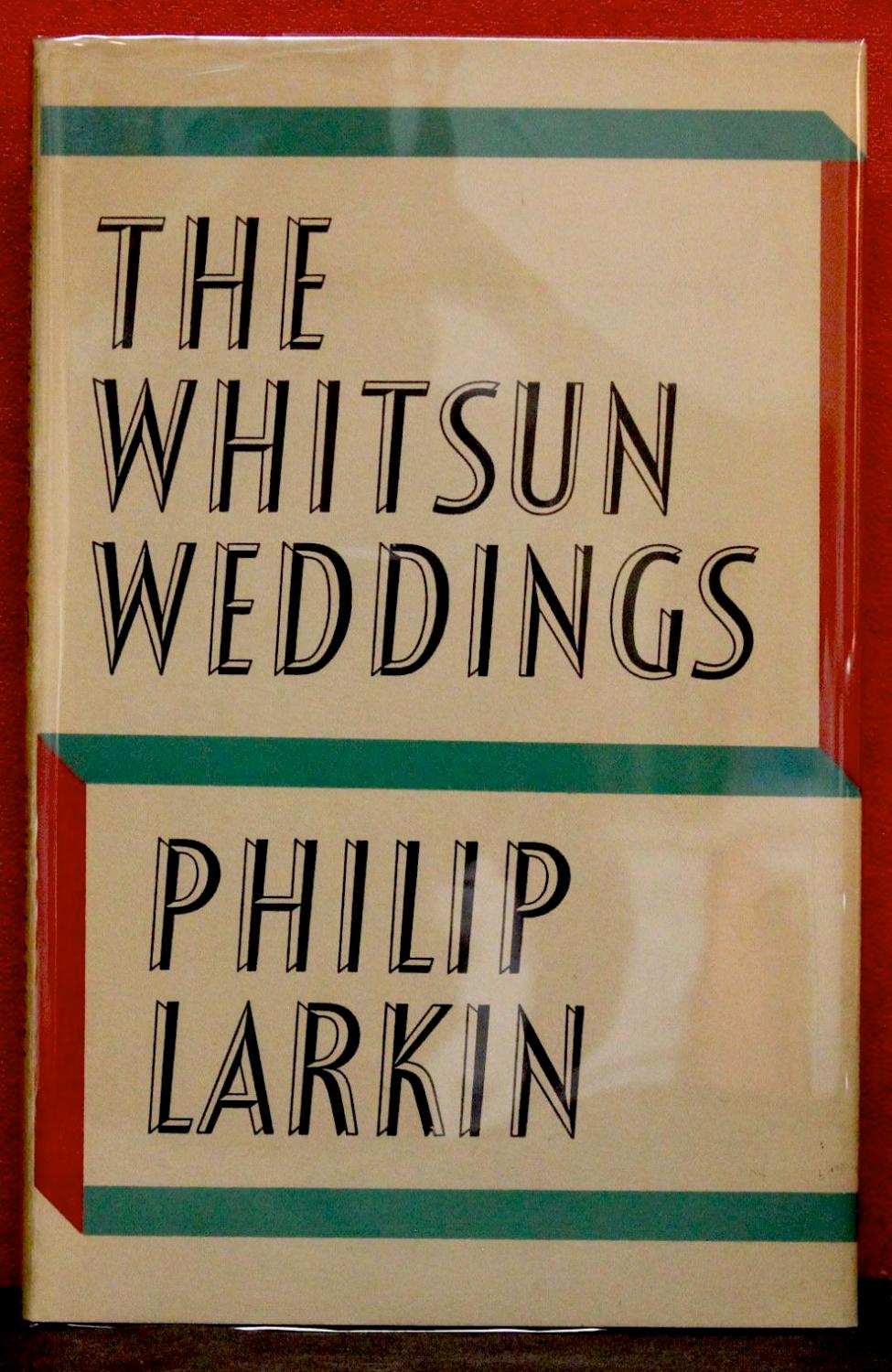
 By the time The Whitsun Weddings had appeared in 1964 Larkin had become a major voice in contemporary poetry. As such he deserved a decent reviewer and he got one in D. J. Enright, a poet and critic two years older, who had reviewed XX Poems. The irony ( if that is the right word) is that the review of The Whitsun Weddings appeared in the New Statesman. Fast forward to the furore that accompanied the biography by Andrew Motion and the published letters edited by Anthony Thwaite, when left-wing readers of the ‘Staggers’ were among those who denounced the racist and xenophobic attitude of Larkin that he must have held at the time when The Whitsun Weddings came out. Of course Larkin, being Larkin, had kept his politics and racism out of this second collection.