
Taken from Bon Viveurs’s London and the British Isles (1956).

1) For wine drinkers.
Whenever possible order your wine in advance of your meal so that whites may be properly chilled and the reds brought gently and slowly to room temperature. It ruins a wine to stuff it into a pan of hot water…Do not smoke while drinking wine…Take a mouth of claret or burgundy, for example, draw in a good lungful of cigarette smoke and see how much bouquet and flavour you can detect through the smoke barrage. Now rinse out you r mouth with lukewarm water. Stub out that cigarette, eat a crust of bread and start all over again. If you do not notice a difference, SMOKE; you must be choked with catarrh and would not taste anything anyway. Do you begin to follow now?
Do not obey the final idiocy, which we have heard declaimed in public recently and also read in famous publications,‘ put yourself in the hands of the wine-waiter’! Do nothing of the sort. The chances are ten to one he knows less than you do! Either he knew years ago and is now too old and tired to remember, or care; or else he doesn’t know because he is too young, having grown up through the war years when he could not learn because there was practically no wine. He was, anyway, not a waiter in all probability during the war. Let us remember this with respect, he much more likely was a member of one of His Majesty’s fighting forces.
Avoid at all costs being a vintage or price snob. It is fallacious to suppose that you must purchase great wines in order to have vinous pleasures. You choose how much you want to spend. You keep the wine list and read it as slowly and carefully as you like. You select the wine you want to try. But if this happens to be one which you have never tasted before, copy out the details about it and add your own comments on its colour, nose, bouquet and its flavour. Remember, a wine connoisseur is a man with a long memory, and memory, like everything else, must be helped and trained at the beginning.
Arrange your meal—however simple—the way you want. Do not be bullied by us or by anyone else either. Choose the wine or wines and build the meal around it or them. Choose the food and select the wines to blend harmoniously with your chosen dishes. Just remember, wine should not be the boss and food should not be the boss. Your aim is to achieve a happy marriage in which each p-lays a part producing a balanced harmonious whole in which flatters and enhances the other, and does not strive to steal a majority of the thunder.
Continue reading

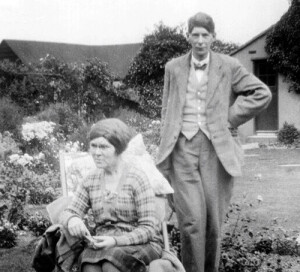 It is in The Last of Spring, one of Rupert Croft-Cooke’s many autobiographical volumes that one finds an account of the author’s experience of renting one of the Cornish bungalows built for writers by the eccentric spiritual medium and author, Mrs A.C. Dawson Scott, in the early 1930s.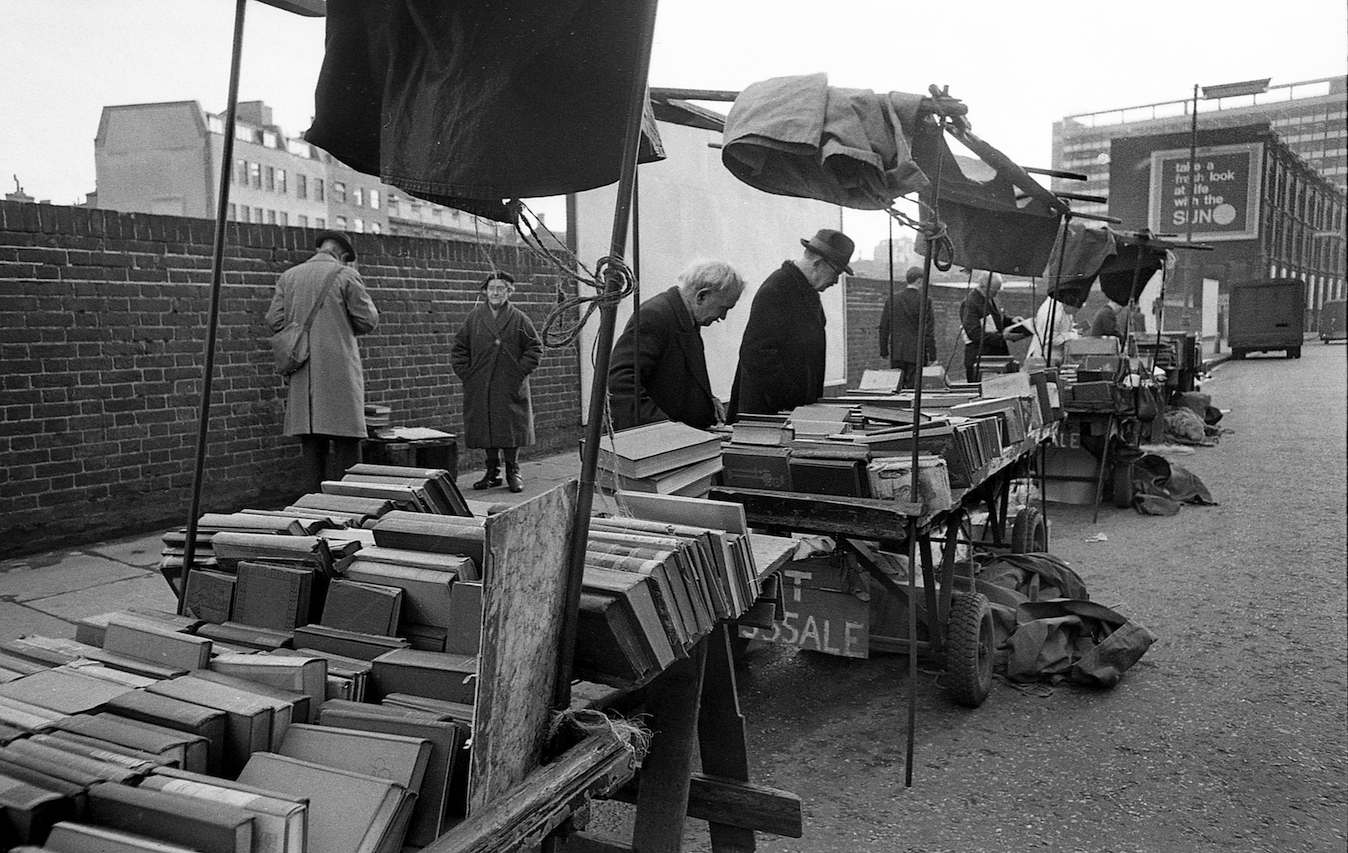
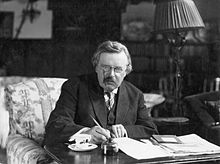
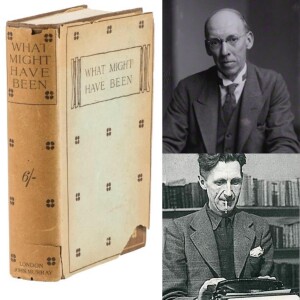
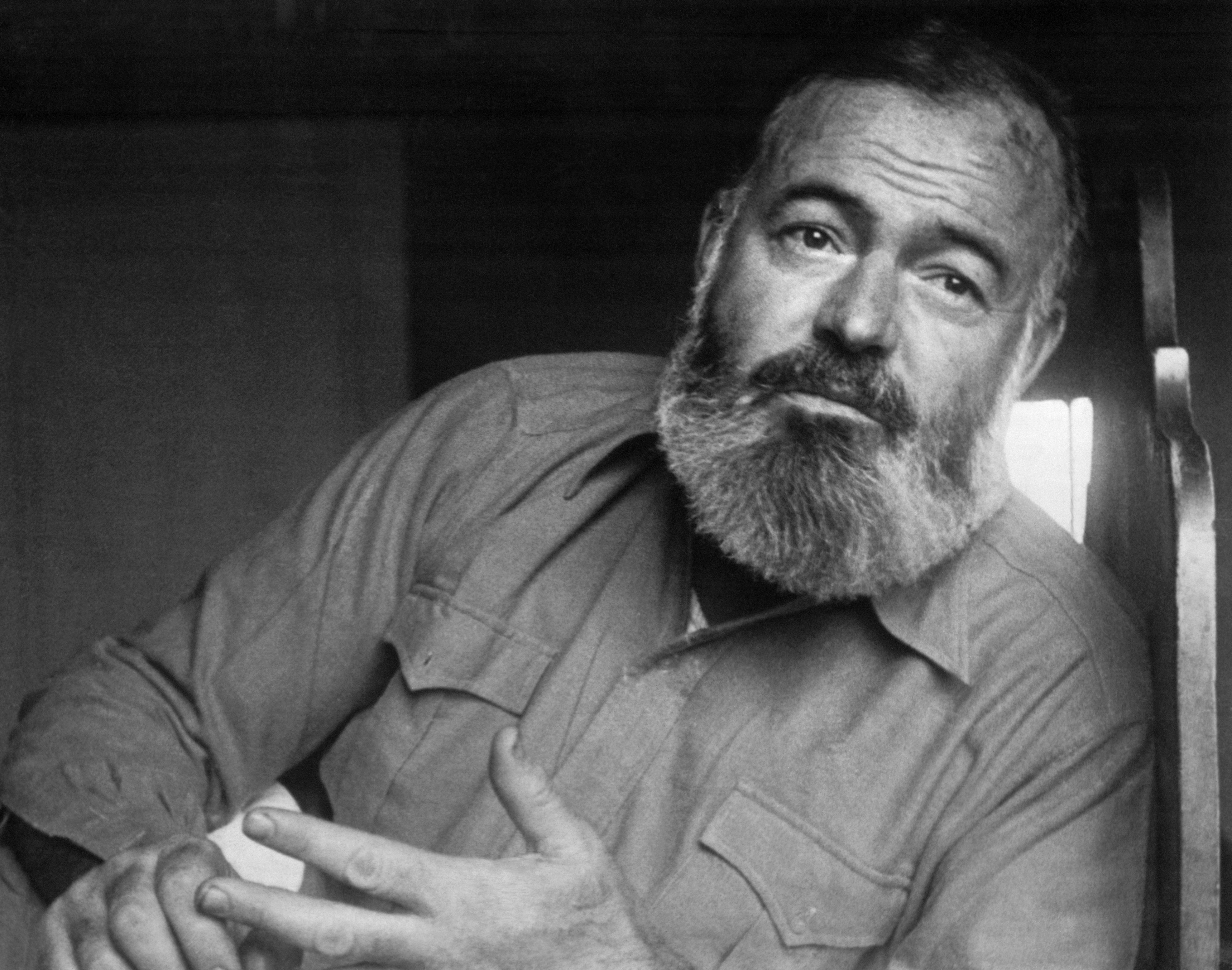

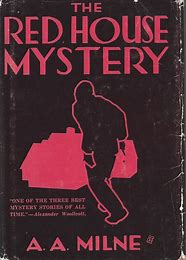

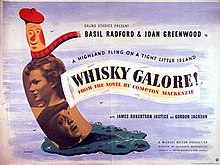 Compton Mackenzie is not a writer who raises much interest among readers nowadays. Few literary people today could name more than two of his many novels, the most famous of which, Whiskey Galore, was made into a hit film. However, back in the early fifties, readers of his article, Tricks of the Trade ‘, which appeared in the January 1953 issue of The Writer, would have lapped up this very frank account of his daily writing routine, which retains its interest today.