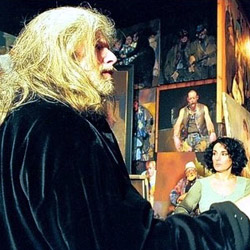
 Found, a page torn from a copy of the Bookdealer dated 13th November 2003 previewing the forthcoming sale at Sotheby’s of the collection formed by the artist and book collector Robert Lenkiewicz.
Because of his reclusiveness, little was known about Lenkiewicz before he died in 2002 aged just 60. A media frenzy then broke out. There are so few genuine eccentrics in the art world that the press can hardly afford to ignore such a prime example as Lenkiewicz. Here is a passage from the preview:
‘Here we have a man who faked his own death some years before he died …and lived for a few days in hiding at the Cornish home of one of his patrons, the Earl of St Germans. He was notorious for befriending and patronising vagrants and tramps, in particular one Edwin McKenzie, who lived in a concrete tube on a rubbish dump and preferred to be known as Diogenes. Since Diogenes’ death in the 1980s the whereabouts of his bodily bits were a mystery, until his embalmed remains were discovered in a secret drawer in a bookcase at Lenkiewicz’s Barbican library. ‘
‘If you remain unimpressed there were other discoveries including what was left of the condemned 16th –century witch, Ursula Kemp. Her skeletal remains, which had been nailed to the coffin, are believed to have been disinterred in Victorian times. This find nicely compliments his great book collection, illustrating as it does Lenkiewicz’s obsessive curiosity with life and death’. Continue reading


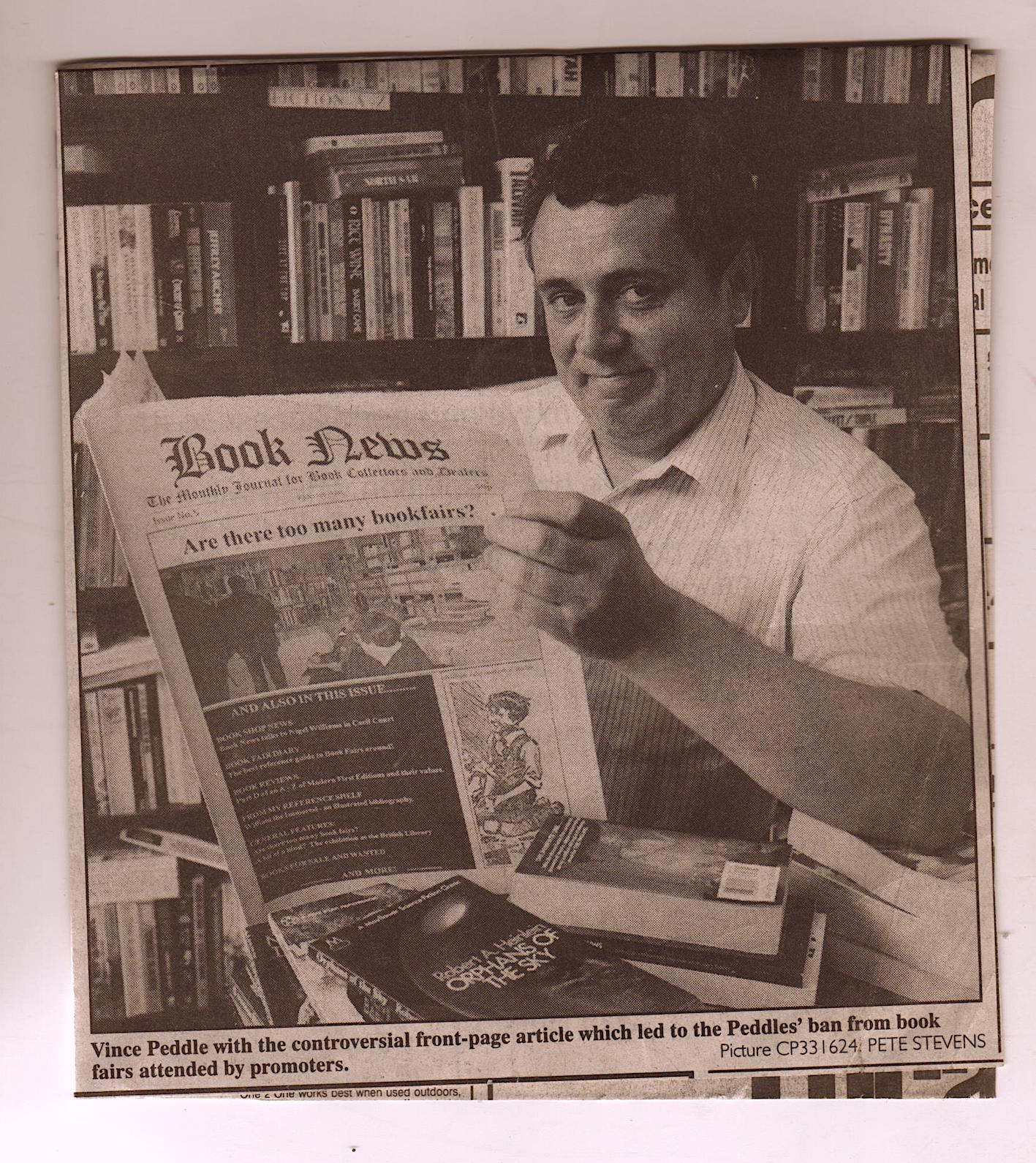
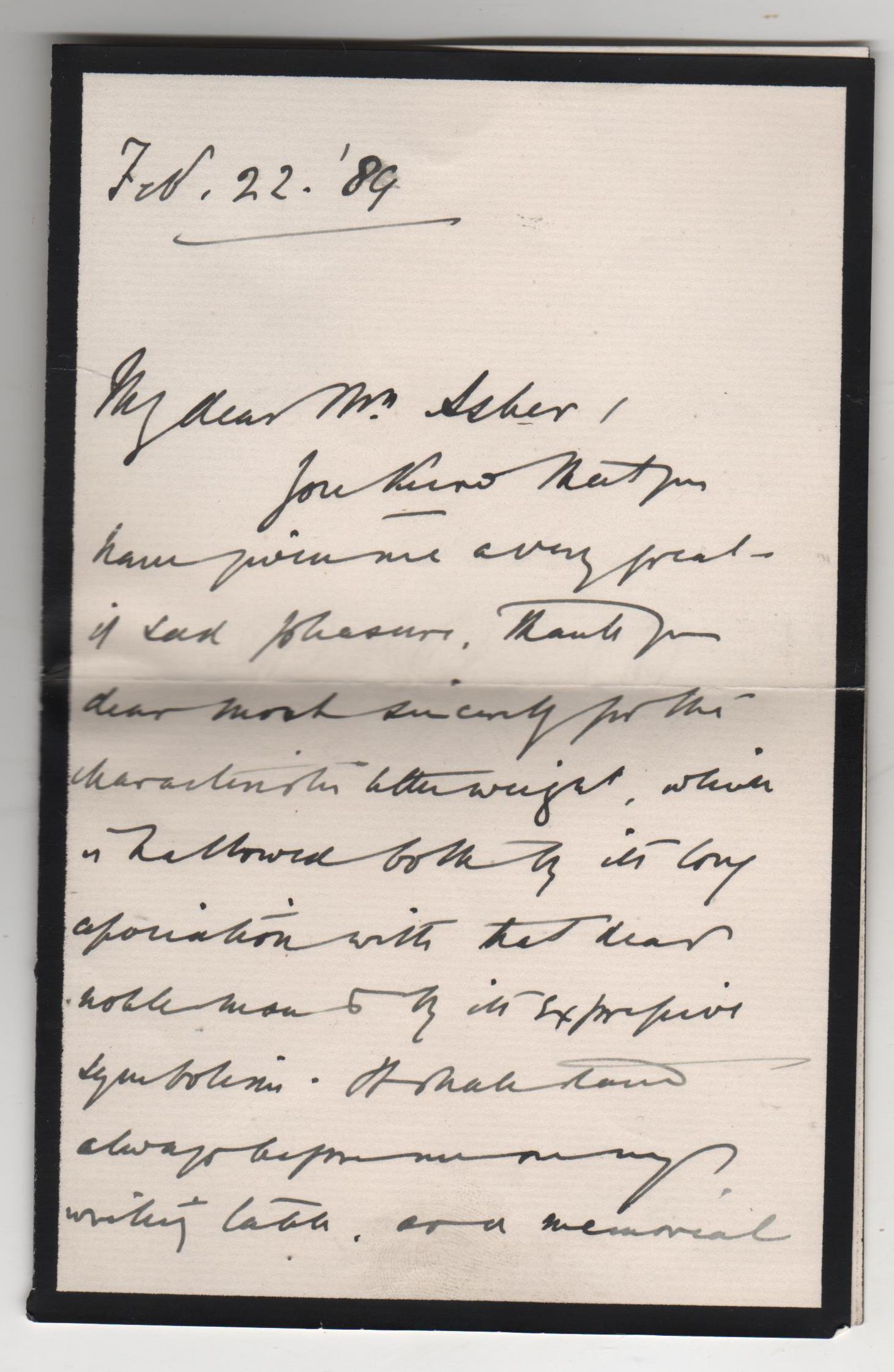
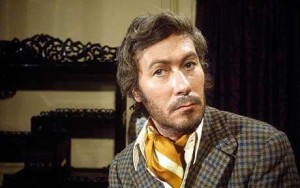 Found, a letter dated 6th December 1990 from someone called Rudi to the playwright John Osborne, whom he addresses as ‘ Colonel’, presumably a reference to Colonel Redl, the protagonist of Osborne’s controversial play A Patriot For Me (1965).






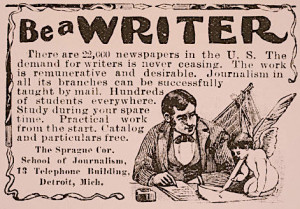 In the fascinating Thousand Ways to Earn a Living (1888) the section on ‘Literary Work’ covers journalism, authorship, and something called ‘compilation’. In the journalism chapter modern-day readers might be surprised at the high rates of pay awarded to humble London hacks ( up to £10 a week in 1888—more than a skilled surgeon or a junior barrister might earn ), but few could argue that in late Victorian Britain , as in 2017, in the newspaper world ‘ the majority of new ventures are promoted by newspaper men who have been underpaid or unfairly dealt with by their employers ‘.