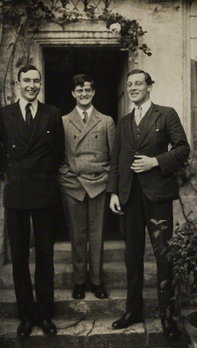
A L Rowse (centre), Roger Makins and Evelyn Baring photographed in 1926 by Lady Ottoline Morrell,
We found some pages cut out from an undated issue of The Contemporary Reviewin the Jot 101 archive the other day. These seven pages contain an article by A. L. Rowse entitled ‘All Souls Stories’, and like so many of the historian’s writings on his old college, mix amusing gossip with valuable reflections on academic bad behaviour.
All Souls, as Rowse admits, has always aroused curiosity and astonishment from outsiders, including those from the University itself. Why are some graduate contenders elected and others rejected? Is success in a formal examination the sole route to a life fellowship? What part did the legendary cherry stone problem play in the process? If fellows are the crème de la crème of academic excellence at the University and beyond it, why is it that some Fellows are evidently not of this calibre ?
Rowse gives an example of one particular Fellow whose behaviour suggested that he was not up to the job, Sir ( later Viscount) John Simon. For some reason this nitwit managed to be appointed Home Secretary, Foreign Secretary, Chancellor of the Exchequer and Lord Chancellor, while being ‘ not much good’ in any of these posts, according to Rowse, who obviously knew the man well enough to make this judgment. Rowse recalls him addressing the Junior Fellows in an attempt at bonhomie, while managing to get their names all wrong. Then there was the time that the newly married Simon and his wife arrived at what they thought was the home of Lord Courtney, a pro-Boer politician, only to find that they had come to the home of W.L.Courtney, then editor of The Fortnightly Review. There was also the time that Simon found himself talking in ‘ labourious’ French to the French Ambassador, who turned out to be Frederick Kenyon, Director of the British Museum. Simon, according to Rowse, also made a mess of handling Hitler and Mussolini. Rowse charitably called this incompetence examples of Simon being ‘ accident prone ‘.Most non-All Souls men would see them as acts of blithering idiocy. Continue reading

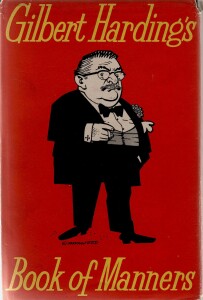 The recent sudden fall from grace of Tudor historian and broadcaster David Starkey over his remarks on the Black Lives Matter campaign recalls to mind another broadcaster of an earlier decade whose detractors also dubbed him ‘ the rudest man in Britain’—Gilbert Harding. This shared reputation comes to mind as we discovered a copy at Jot HQ of the very funny and often wise treatise on good behaviour, Gilbert Harding’s Book of Manners(1956).

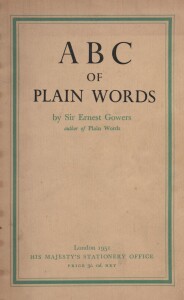 When some BBC journalists don’t know the difference between reticent and reluctant, and use the word enormity to mean an enormous event, popular grammarians, such as Liz Truss or Ernest Gowers, who was her equivalent in the 1950s, are needed more than ever. That’s if these pisspoor journalists can be bothered to read their books.
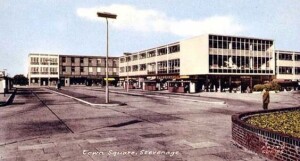 Over the years New Towns have received a bad press. They are regarded as too large and unwieldy in contrast to small, more intimate developments, such as Prince Charles’ Poundbury ( called by some Poundland) in Dorset and Cambourne in Cambridgshire. The last major New Town in England was probably Milton Keynes, which was begun in the sixties and took its inspiration from Stevenage New Town.


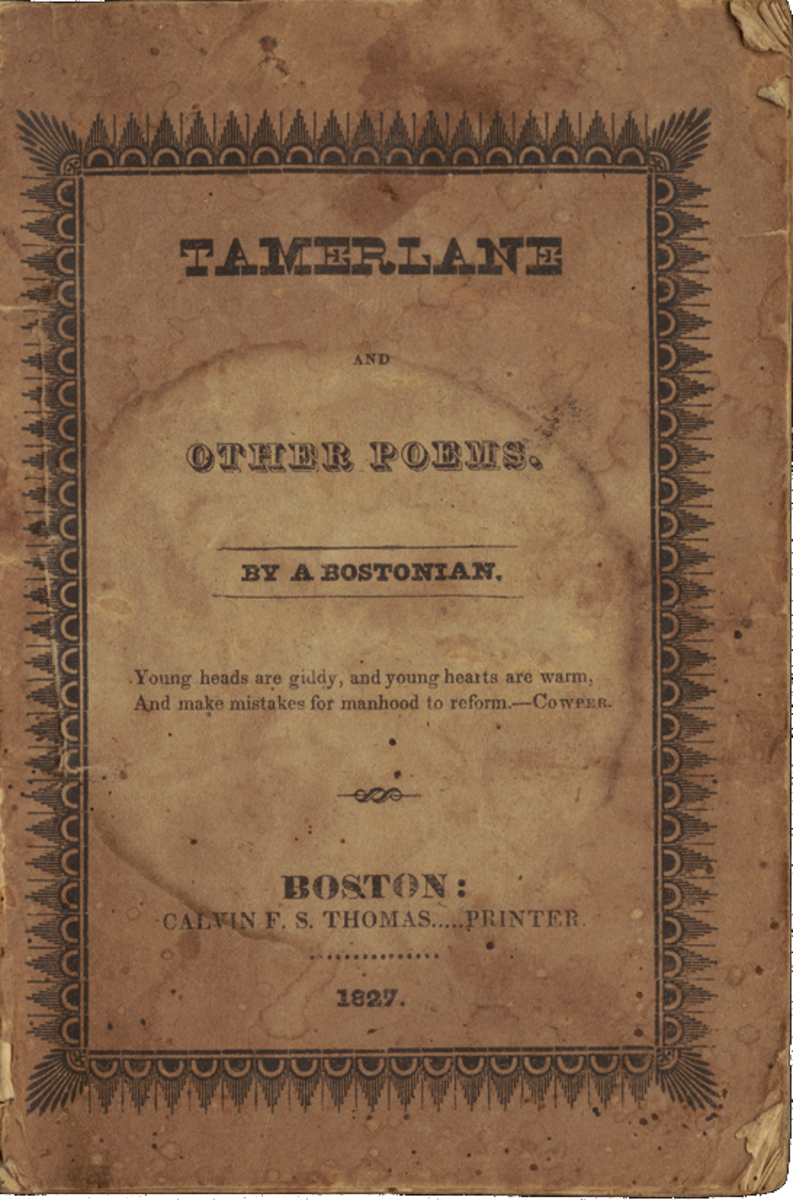
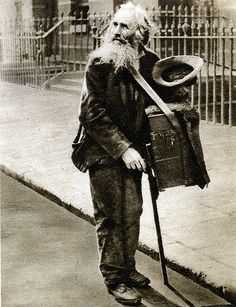
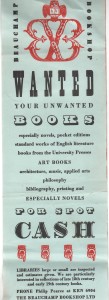 Beauchamp Bookshop of 15a Harrington Road, which was once located by South Kensington station in SW London. Its most striking quality is the boldness of the two colours ( red and black) used for the various period typefaces on display. To someone who grew up in the Swinging Sixties, when designers took inspiration from Victorian (and even older) typefaces and decorative flourishes, it could date from that time. However, the telephone number featured (KEN 6904) might quite equally suggest a slightly earlier date, though the fact that the all-number system began in London in 1966 doesn’t help us much. Some specialist magazines devoted to design, such as Signatureand the Penrose Magazine, were experimenting with typefaces in the forties and fifties. Indeed, the fact that the Beauchamp Bookshop wished to buy books on bibliography and printing suggests that the owner, Mr Philip Pearce, had an active interest in book design. It is telling too that his special need to acquire ‘ late 18thand early 19thcentury books ‘ betrayed a fondness for well printed and well designed books from this pioneering era of fine printing.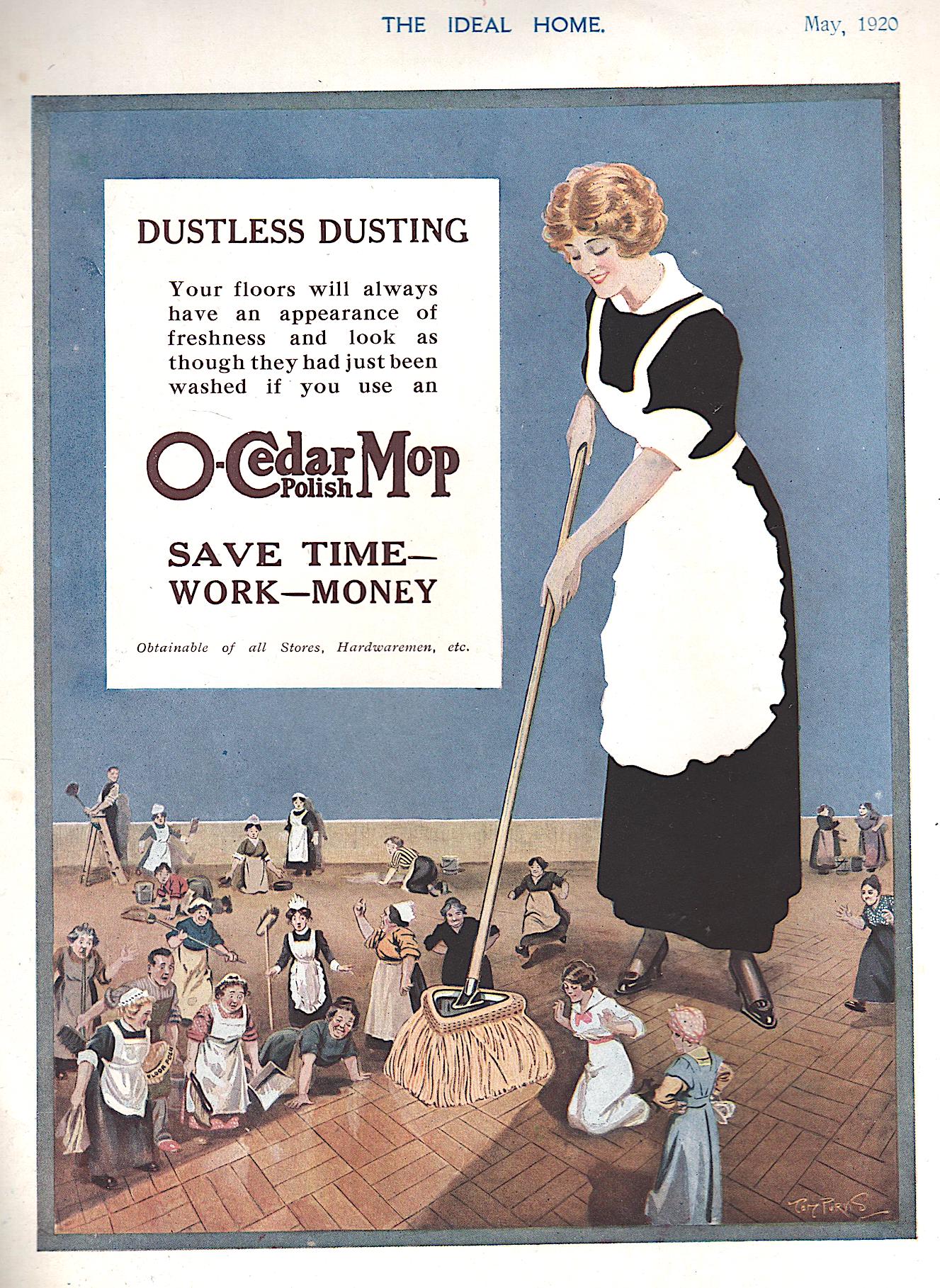

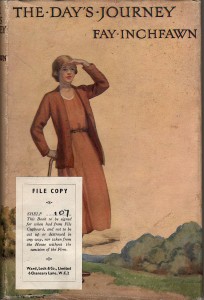 Discovered at Jot HQ is this first edition of one of the ‘Homely Woman’ pocket volumes by the prolific female writer Fay Inchfawn ( aka Elizabeth Rebecca Ward, 1880 – 1978), whose work is forgotten now, but whose books, which included popular verse, religious works and children’s literature, were once, to quote the blurb from her publisher Ward, Lock & Co in 1947, ‘to be found in countless homes, for more than half a million have been sold’.