Immediately after the end of WW 2 Germany was occupied by Allied forces and divided into 4 zones. The eastern quarter was given to the Russians and later became East Germany; the Americans occupied the south, the French had a tiny section to the south west, while the British were allotted most of the north.
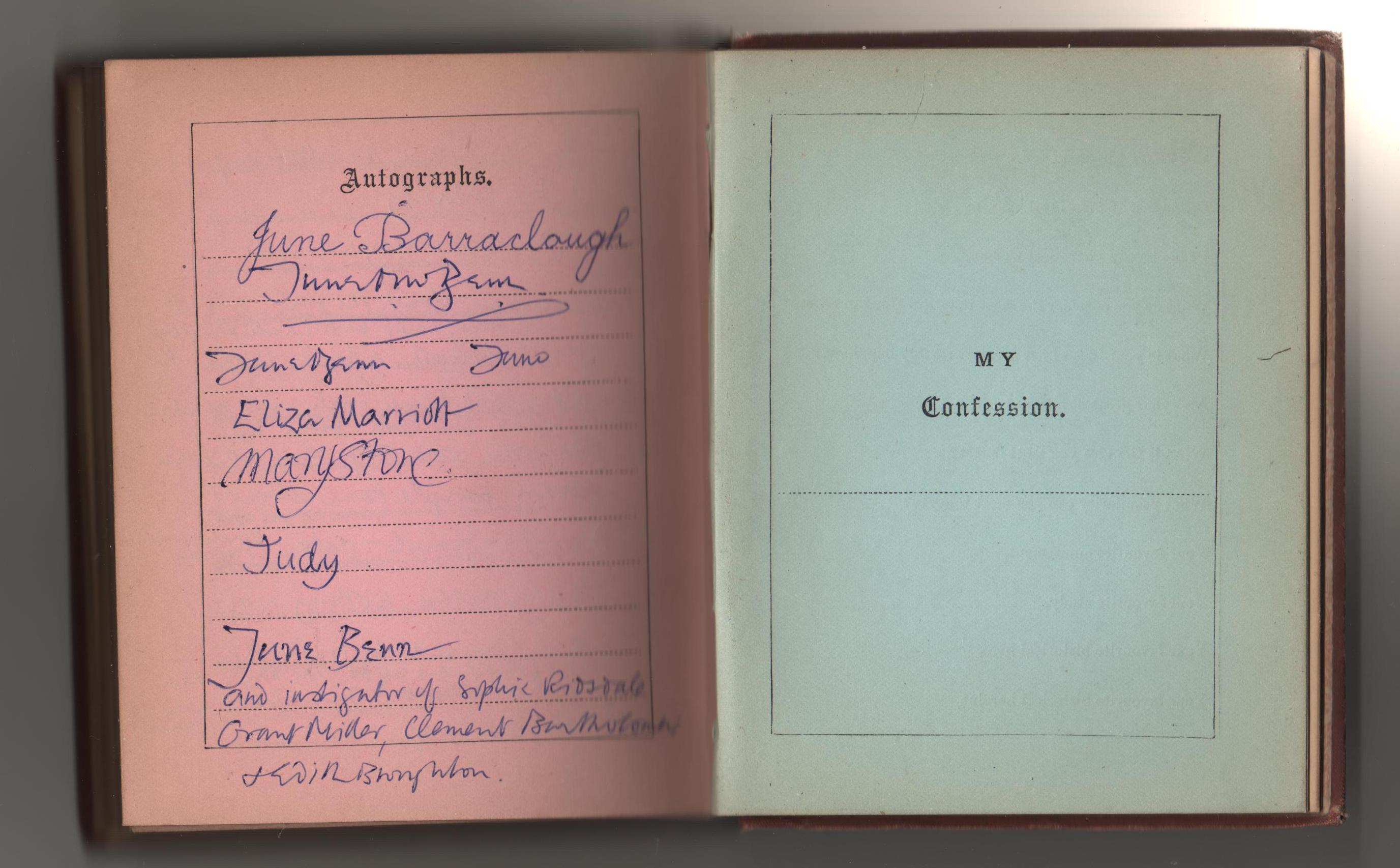
It was exciting, therefore, to discover among a cache of ephemera at Jot HQ, a notebook issued to soldiers by the Stationery Office in which one soldier had recorded his brief visit to Altenau, a ski-resort in Lower Saxony in the centre of the British Zone, a few miles from the Russian Zone.
Little can be discerned from the brief journal, dating from the 6th to the 14th November 1948, concerning this anonymous soldier, who intersperses his entries with postcards of local scenery, apart from the fact that he seems to have been on a furlough for these eight days. When he is not relaxing at the ‘Holiday Inn’ in Altenau, sipping port and reading, he is exploring the local countryside. One of his aims seems to have been to penetrate the border into Russian occupied territory. He certainly appears to have regarded the Russians with a mixture of fear and curiosity, born perhaps of the stories that emerged about their cruelty and barbarity towards the Germans, both during the war and immediately afterwards. He regards the Germans themselves with less fear, although doubtless aware that the resentment felt by them towards occupying forces might be a source of danger, particularly at night. For security reasons all soldiers in the British Zone were under strict orders not to converse with any of the natives—a rule which our soldier assiduously observes.
The journal shows considerable literary qualities, which suggests that the soldier, who may possibly have been born in the early 1920s, might have become a writer or journalist at some point in the future. Take the entry for Saturday 6th November:
Ober: 2.15 p.m.
The blue dusk hid everything but the lights of the town and the black masses of the hills.
Tourist-like I climbed down the carriage-steps on to the six-inch platform. Where were all the other tourists ? In utter solitude I crunched down to the sub-way.
A waiting- room, its atmosphere thick with the smell of German humanity. One large T.C.V. ---one small sergeant. Was I to be alone at Altenau? Utter & sublime solitude?
Continue reading


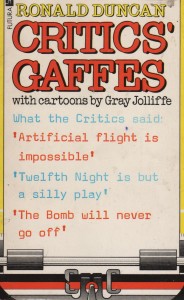 hilarious and sometimes shocking anthology, Critics’ Gaffes (1983), come from critics who supposedly know what they’re talking about. Others are the judgements of those who haven’t a clue. Perhaps Geoffrey Grigson nailed it when he described the romantic novelist and radio presenter Melvyn Bragg as ‘a media mediocrity who couldn’t tell good literature from old gym shoes.’ Mind you, like the stopped clock which tells the right time twice a day, a few of the following verdicts have the ring of truth.



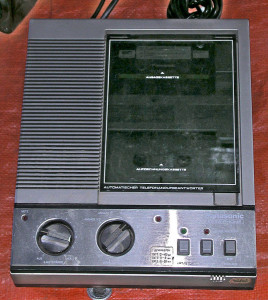 This is a paperback published in California and written by two American stand up comedians, John Carfi and Cliff Carle, of ‘ funny ‘ messages that could be left on answering machines. It appeared in 1983, which means that quite a few of the jokes might not be acceptable in the more PC climate of 2018.
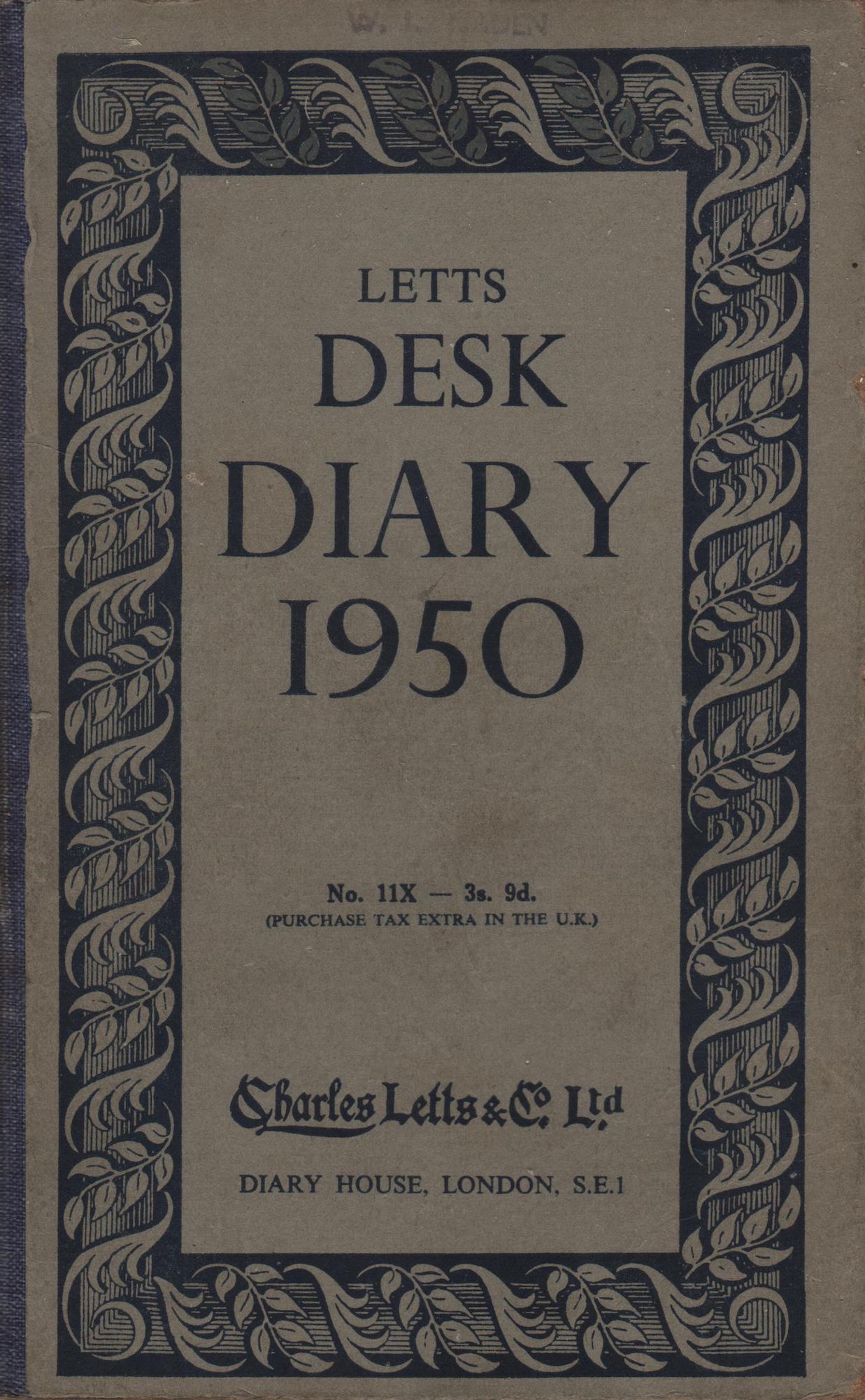
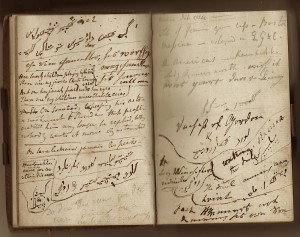 The front part is a short record of travels in Germany and Belgium in which the anonymous male diarist, who is accompanying his mother, at one point tells us that he was born in 1802, is very scathing about the appearance of most of his travelling companions. In one instance he remarks that the young son of the parson in the party ‘seemed to be as ugly as his father and as vulgar as his cousin’. He is singularly unimpressed by most of the foreigners he encounters along the way. For instance, he notes that his fellow diners at the Table d’Hote, were ‘12 disgusting looking Germans who luckily eat enormously & spoke little ‘. The following evening diners at the same table were’ rather more disgusting in their appearance & manner of eating than the day before ‘. Predictably, he is also critical of the meals he is obliged to eat and the inns that serve and accommodate him. In one inn he accuses the landlord of serving him a dish of greyhound puppy. Our diarist certainly places himself above the common lot. He seems knowledgeable about art and is a little snooty regarding the collections he views, suspecting that most of the paintings were copies from the masters. More positively, he is often ecstatic about the scenery and buildings he encounters and he particularly praises cathedrals and castles. We yearn for more, but unfortunately, the diary stops abruptly after thirty pages.