
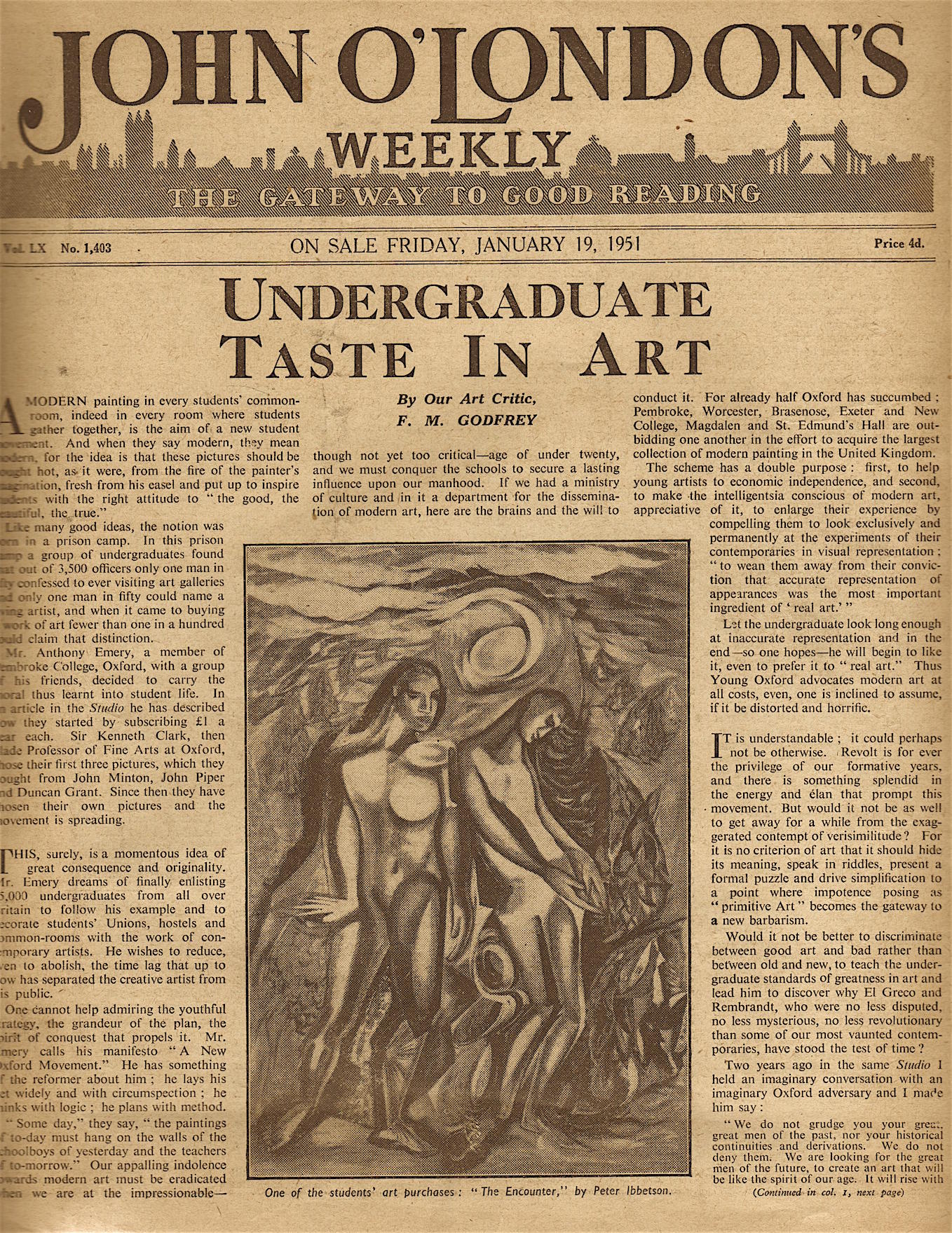
 Thus begins the front page article published in the January 19th 1951 issue of John O’London’s Weekly. In it the art critic F.M.Godfrey recounts the campaign of Anthony Emery, a mature undergraduate at Pembroke College, Oxford, to supply examples of modern art for the Common rooms, hostels and Unions used by every undergraduate in Britain.
The crusade to inspire students with the right attitude to ‘ the good, the beautiful and true’ had begun just after the war at Emery’s own college, where, shocked by the ignorance of modern art shown by serving officers, he ( a wartime officer ) and some like-minded friends had pledge to subscribe a £1 each to established a small collection for their common room. Inspired by the guidance of Sir Kenneth Clark, who had chosen for them a painting each by John Minton, John Piper and Duncan Grant, they had gone on to choose their own pictures.
As Godfrey remarks, Emery’s manifesto, which he called ‘A New Oxford Movement’ had the spirit of the reformer about it. And Godfrey himself echoed his sentiments.
‘Our appalling ignorance towards modern art must be eradicated when we are at the impressionable …age of under twenty, and we must conquer the schools to secure a lasting influence upon our manhood. If we had a ministry of culture and in it a department for the dissemination of modern art, here are the brains and the will to conduct it. For already half of Oxford has succumbed: Pembroke, Worcester, Brasenose, Exeter and New College, Magdalen and St Edmund’s Hall are outbidding one another in the effort to acquire the largest collection of modern painting in the United Kingdom ‘. Continue reading
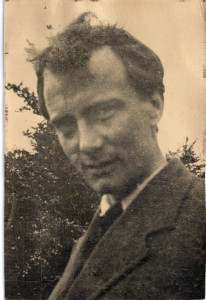 Found among the papers of Joan Stevens (1933-2015) the feminist bookseller and expert on the Powys Brothers and Edward Thomas this piece, apparently unpublished, by
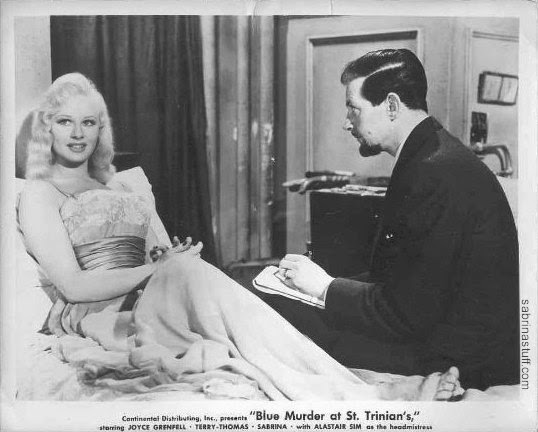

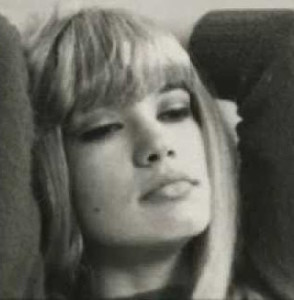
 Bought at eBay for the price of a latte (and muffin) -these 3 photos purporting to be of a British royal –


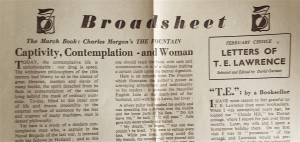 Found among the books in the working library of the actor Peter O’Toole (1932 – 2013) his copy of Letters of T.E. Lawrence (Readers Union, 1941.) O’Toole had surprisingly few books on or by Lawrence considering that this was probably his greatest role and the film that made him an international star. In the Reader’s Union edition was loosely inserted a one page wartime broadsheet keeping members of the book club informed about new publications. It was from an address at Wray Common, Reigate. This broadsheet / flier was dated February 1941and has a good piece (“T.E.”) on Lawrence by his friend and bookseller K.W. Marshall.
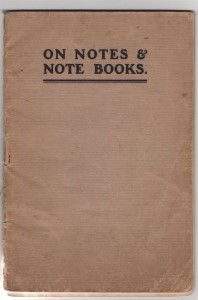 Now we are in the Digital Age, when as much data as we like can be stored in a note-book sized device made of plastic and metal, note-taking as a aid to memory is less important. As recent as fifteen years ago if we needed to record the gist of books, articles etc., we resorted to a note book made of paper and card which had to be small enough to be carried around in a pocket. In practice what we tended to do, however, was to write too much in too big a hand than was appropriate, thus making our notebook less efficient as a means of storing an accumulation of facts and opinions.

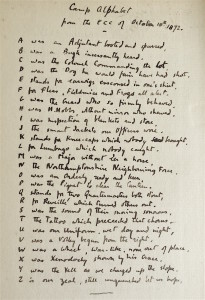 Found in Herbert Kynaston. A Memoir. (Macmillan, 1912) an acrostic for a bazaar to raise money for a home for ‘Friendless Girls’ (below). The book has the ownership signature of F.E. Balfour (1922). This is almost certainly


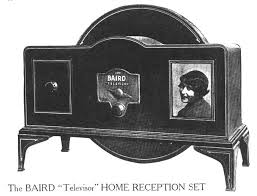 Published in the monthly miscellany Medley for September 1935 is this winning prediction from a competition run by The Manchester Guardian. It looks forward to what life might be like in 1950.
 Found among the papers of the mathematician
