.
1) The Ivy
‘A classic name in the restaurant world and one most significant to the men and women of the theatre, the Ivy has at last changed hands. Since its inception until, last year it was under the administration of M. Abel, who so many will think of in his present-day retirement with affection and respect.
Now an entirely new ‘ character’ takes over—a big, boisterous, gentle, tough, kindly Edwardian fish king with a tremendous laugh, and a fair measure of that divine inheritance which is cockney humour. Waving a vast paw, he tells you, ‘I’m in fish, m’ father was in fish, I know fish, and yet I still put vinegar on my oysters because I like ‘em that way. It’s the fish lark that has given me four restaurants in London.’ Here he is apt to pause and reflect—the four restaurants seem both to astonish and tickle him. In a world overrun with meagre men Bernard Walsh stands out, nor alone for his height and build—nor for his silver side-whiskers and fancy weskits, but for his overall rumbustious largeness. Thirty-eight pancakes is his normal portion. ‘I like pancakes’, he explains. He probably has more friends among the press than any other restaurateur in London, and that speaks as loud and hearty as his laugh.
As he also likes meat, and Bernard, we say ‘gets what he wants’, the meat and the fish are quite excellent at the Ivy. Oysters are opened at the table ( the Bill of Fare states this), gives the prices—12s. No 2 Natives, 15s. No 1 Natives, 21s. Colchester—and Bernard adds as we twinkle at each other, ‘ I take the boast, ‘natives’ off my menu, when every fish-boy knows the town has run out of ‘em—which is more than some restaurants do.’ He is correct.
Correct, too, and good value are his Moules Mariniere ( 6s 6d), superb lobsters ( the scene on one occasion when these were cooked in the morning for evening service instead of in the afternoon!), served Cardinal, Newburg, Mornay and Thermidor for 11s. 6d.; his entrecotes( 7s. 6d.), mixed grill ( 10s. 6d.) , chops ( 7s.6d.) and lamb cutlets ( 7s.6d.).
Continue reading

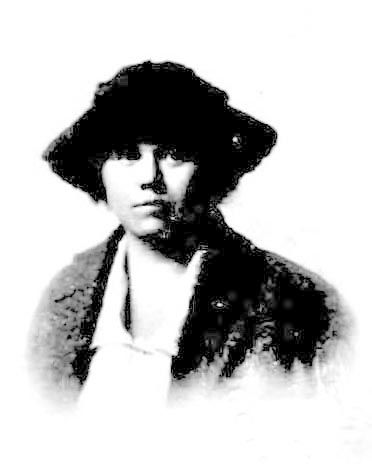
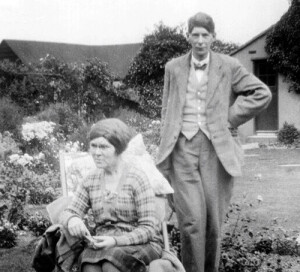 It is in The Last of Spring, one of Rupert Croft-Cooke’s many autobiographical volumes that one finds an account of the author’s experience of renting one of the Cornish bungalows built for writers by the eccentric spiritual medium and author, Mrs A.C. Dawson Scott, in the early 1930s.
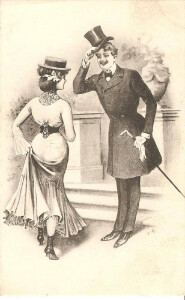 If Everybody’s Best Friend ( 1939) is to be believed, people were still debating the propriety of men giving up seats to women, whether or not it was necessary to doff a hat to a lady or where a man should walk on a pavement when accompanying a lady, as they had done for centuries before and perhaps still do. On the question of who should pay on a night out, to an earlier generation brought up before the advent of Women’s Liberation, there is no question that a man should pay for everything. Notice that it is tacitly assumed that once the man and woman are married, it is certainly the husband who must pay for a meal and for seats in a theatre or cinema, even though the wife may have an income from her job. But have things changed that much ?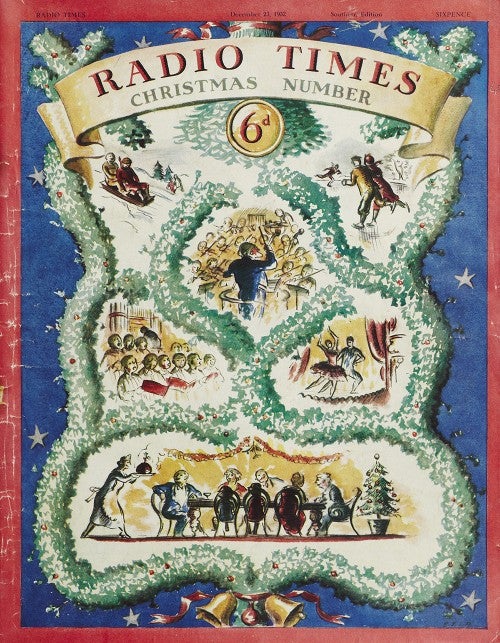


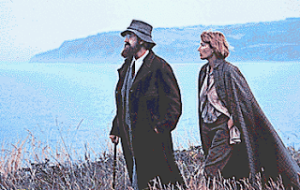 In part one we looked at the way John Thaw tried to disguise a leg injury he had sustained as a teenager. Later on in his audition for RADA he had played Richard III with a limp and as Morse he had tried to disguise his limp. But some actors can easily affect a certain gait for dramatic affect. Both Alec Guinness and Laurence Olivier maintained that once they had got the walk right the rest of the role fell into place. In an adaptation of Ivy Compton Burnett’s ‘A Family and a Fortune’ Guinness had to leave a room to get out into the cold. The way he flung a scarf round his neck and trod stutteringly before leaving told you everything you needed to know about the climatic conditions and preparing to brave them.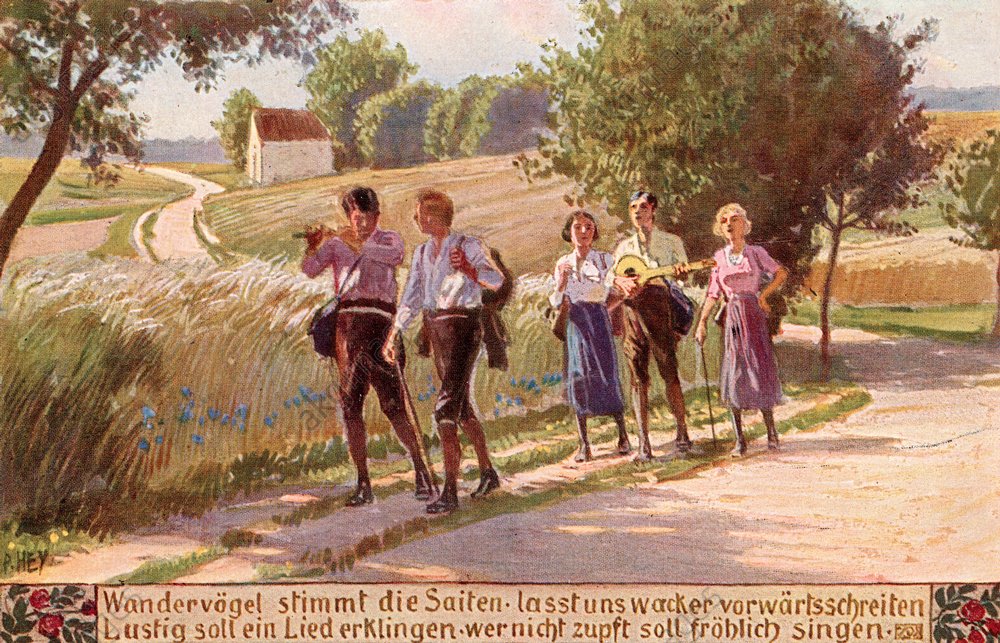
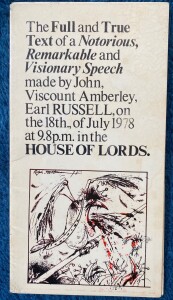 Open Head Press about 1980 at 50p. It came from the estate of the Dutch radical Simon Vinkenoog whose birthday (18th July) was the same day as this revolutionary (not to say crazy) speech was given. It has the full text of Earl Russell’s 1978 maiden speech to the House of Lords.