Found – a short poem on the sinking of the Titanic by James Rhoades_ (1841 – 1923) anAnglo- Irish minor poet. He was admired in his day and one of his poems is in The Oxford Book of English Mystical Verse. There are spiritual undertones in this poem too. The poem was published in a collection of his verse from 1915 Words by the Wayside. He made a speciality of commemorative verse or vers d’occasion. The book was a signed presentation from the author with a short verse added (ssee below).
The Titanic had sunk 1n April 1912 with the loss of more than 1500 lives and the poem shows what a huge event this was in its day, on a par with 9/11 or Pearl Harbor. James Rhoades had also written about the disaster in 1912 in the Westminster Gazette emphasising the self sacrifice of the crew
No frantic scream; no frenzied strife;
Unflinching gave their sacrifice;
Unflinching stood that noble host,
Each man at his appointed post..
This later poem with its enticing pantheist theme, although touching on heroism, is less about the stiff upper lip etc.,
A lesson from the Titanic
See in great moments how we cast aside
The fear-spun cloak of hatred, foe to foe –
Poor outworn rags of rivalry and pride!
A soul-fraught vessel to destruction hurled
Sets free the mighty heart -stream of the world
Unlocks it’s frozen flow.
Continue reading
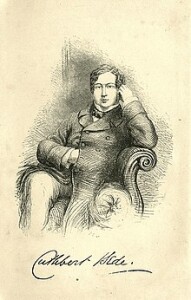

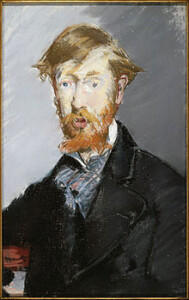 It’s always revealing to learn which books were the favourites of certain writers—and which books or writers were reviled. We know what Wyndham Lewis felt about the Bloomsbury set. It’s all in The Apes of God. It’s not a secret that Martin Amis worships Nabokov and Saul Bellow or that Kingsley Amis was a Janeite. The likes and dislikes of pre-modernist writers, however, tend to be less well known today, so it’s good to find someone expressing their secret admiration for a certain writer or a certain passage of prose or poetry.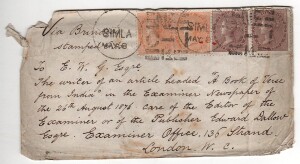


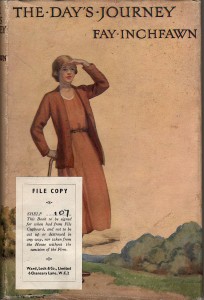 Discovered at Jot HQ is this first edition of one of the ‘Homely Woman’ pocket volumes by the prolific female writer Fay Inchfawn ( aka Elizabeth Rebecca Ward, 1880 – 1978), whose work is forgotten now, but whose books, which included popular verse, religious works and children’s literature, were once, to quote the blurb from her publisher Ward, Lock & Co in 1947, ‘to be found in countless homes, for more than half a million have been sold’.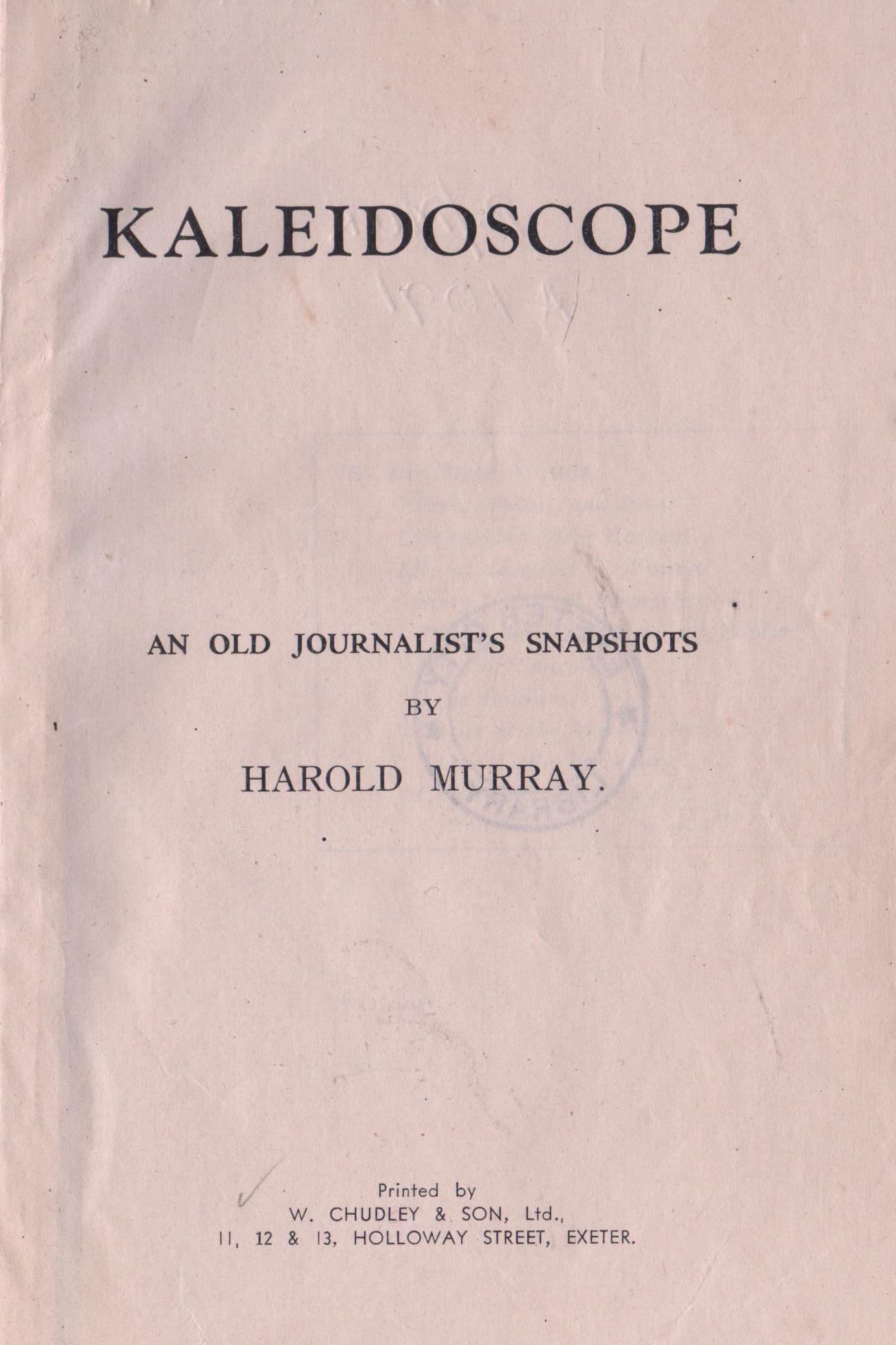


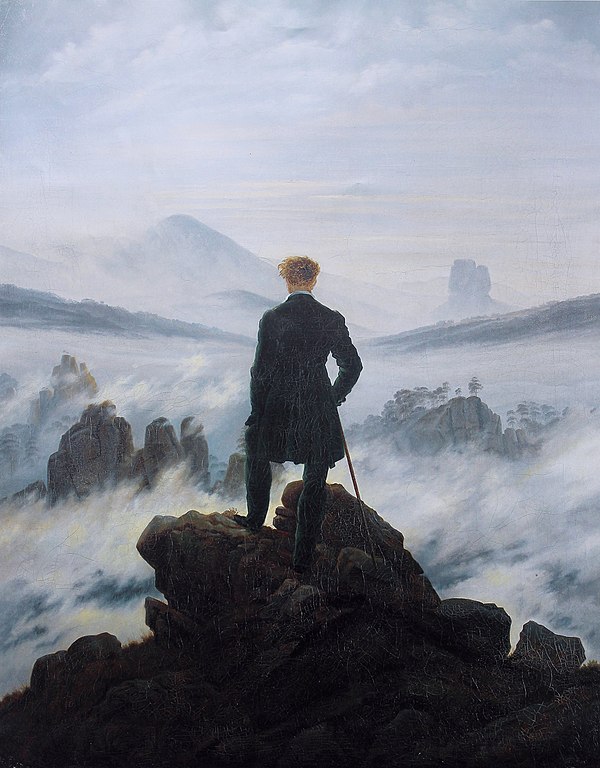
 In the April 24th 1942 issue of John O’London’s Weekly can be found a perceptive view by the essayist Robert Lynd on the subject of risible poetry written by good poets. He takes his cue from an incident a century before when Thomas Wakley, the founder of the Lancet, stood up in the Commons to mock some puerile lines from ‘Louisa’ by the Poet Laureate, William Wordsworth.
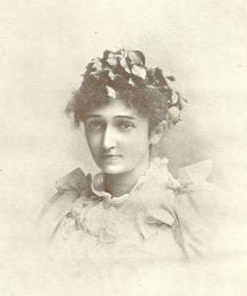 found on her lap following her suicide, aged just thirty, in December 1905. When discovered she was sitting in a comfortable chair dressed in a silk evening gown with fresh flowers in her hair. By her side was an empty bottle of phenol (carbolic acid), the poison of choice (bleach was another) for many suicides in the UK at that time, due to its availability and quick, but painful, action.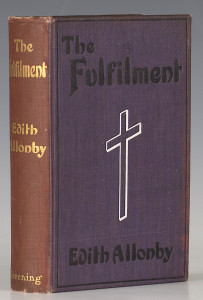

 It’s often enlightening to read very early reviews of major writers, especially modernist writers. In 2019 we have the benefit of knowing how certain ‘ big names ‘ developed and influenced others, while the innocent reviewer of an early work has only the words on a page. A gifted reviewer may sense that a writer under review is destined for greatness, but most reviewers are hacks and care little. In the case of Ezra Pound, the anonymous review of his third collection, Personaethat appeared in The Literary Worldof August 15th1909, suggests that the reviewer was already an admirer of his first two collections, A Lume Spento(1908), which had been privately printed in Venice in a tiny edition of just 150 copies, but which Pound had persuaded the London bookseller Elkin Matthews to display in his window—and the follow up, A Quinzaine for this Yule—also in a tiny edition. A London Evening Standardreviewer described the former as ‘wild and haunting stuff, absolutely poetic, original, imaginative, passionate and spiritual’. It seems that the Literary World reviewer was of a similar mind: